Alternative Funding Pathways Fueling Participation In Global Competition Series
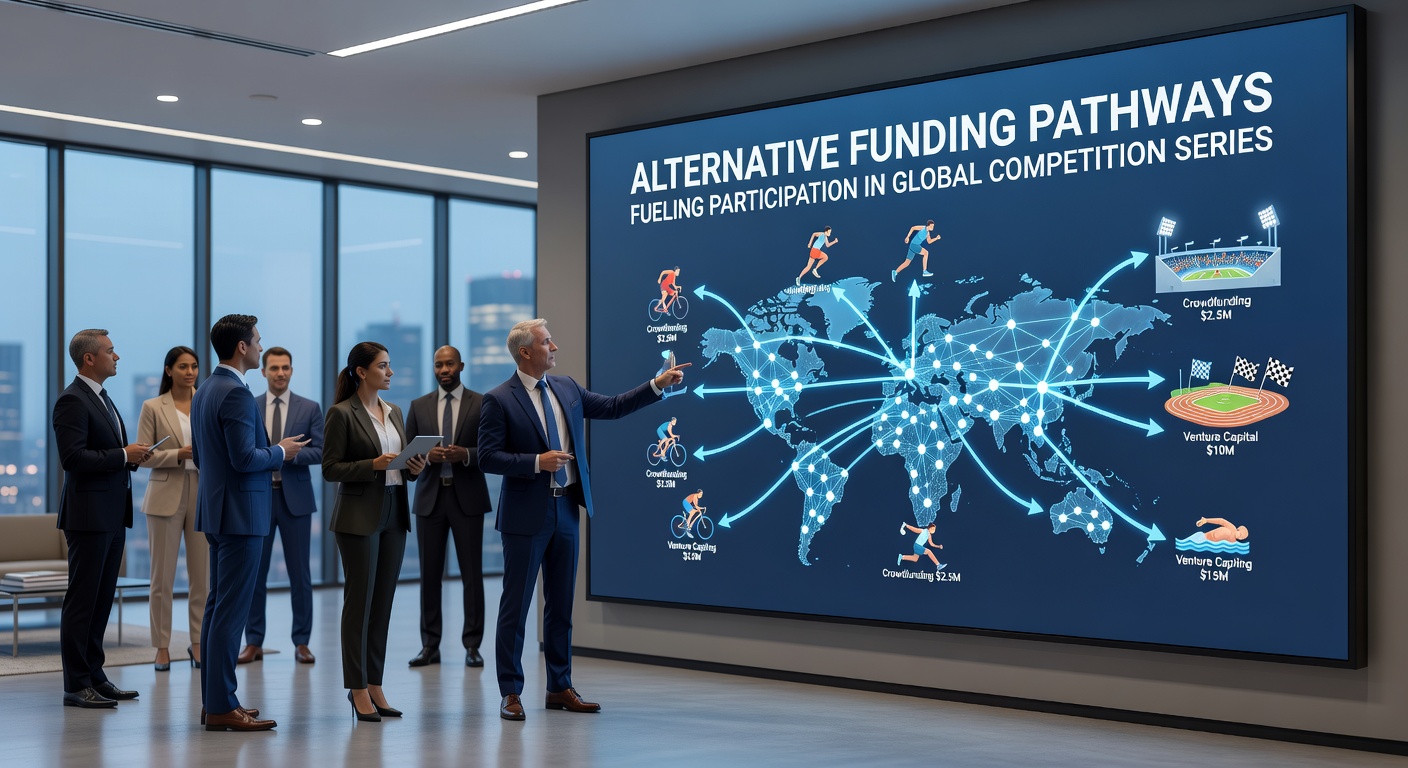
Alternative funding mechanisms have expanded access to global competition series across multiple disciplines, allowing participants from varied economic backgrounds to secure resources beyond traditional prize structures, and these pathways continue to evolve as organizers adapt to shifting participant needs. Crowdfunding platforms now support entry fees, travel costs, and training regimens while sponsorship agreements provide ongoing capital in exchange for visibility, yet institutional grants from regional bodies offer another layer of support that does not require direct repayment in many cases.
Crowdfunding Platforms Drive Early-Stage Participation
Platforms such as Patreon and Kickstarter have documented increases in campaigns tied to global series qualification since 2023, with data from industry trackers showing that participants raised over 12 million euros in the prior calendar year alone for tournament-related expenses. One researcher who analyzed campaign outcomes noted that successful efforts often combine video updates with performance metrics, which helps potential backers assess viability before committing funds. These tools lower barriers because they operate on voluntary contributions rather than loans, and many campaigns tie rewards to exclusive content or merchandise that builds ongoing supporter communities.
Participants in May 2026 events have already begun listing preparation costs on these sites, and figures from platform reports indicate average campaign goals range between 5,000 and 25,000 euros depending on travel distance and series prestige. What's interesting is how algorithms on major sites prioritize campaigns with regular updates, leading organizers to recommend structured communication plans that maintain momentum through qualification rounds.
Sponsorship Deals and Brand Alignments Expand Reach
Corporate partnerships now account for a growing share of competitor budgets according to trade association surveys, where brands in technology and consumer goods sectors allocate portions of marketing budgets to series participants who align with target demographics. Contracts typically specify deliverables such as social media posts, branded apparel during events, and occasional appearances that extend visibility beyond competition venues. Observers note that mid-tier competitors benefit most because top players often secure larger deals through agencies while emerging talents use smaller regional sponsors to build portfolios.
Research from the Global Gaming Association reveals that sponsorship values for series participants increased 18 percent year-over-year in 2025, driven partly by expanded streaming audiences that deliver measurable engagement metrics to partners. Those who've negotiated these agreements often discover that performance clauses tied to advancement stages provide additional incentives, creating aligned interests between competitors and funders without requiring equity stakes.
Investment Vehicles and Revenue-Sharing Arrangements
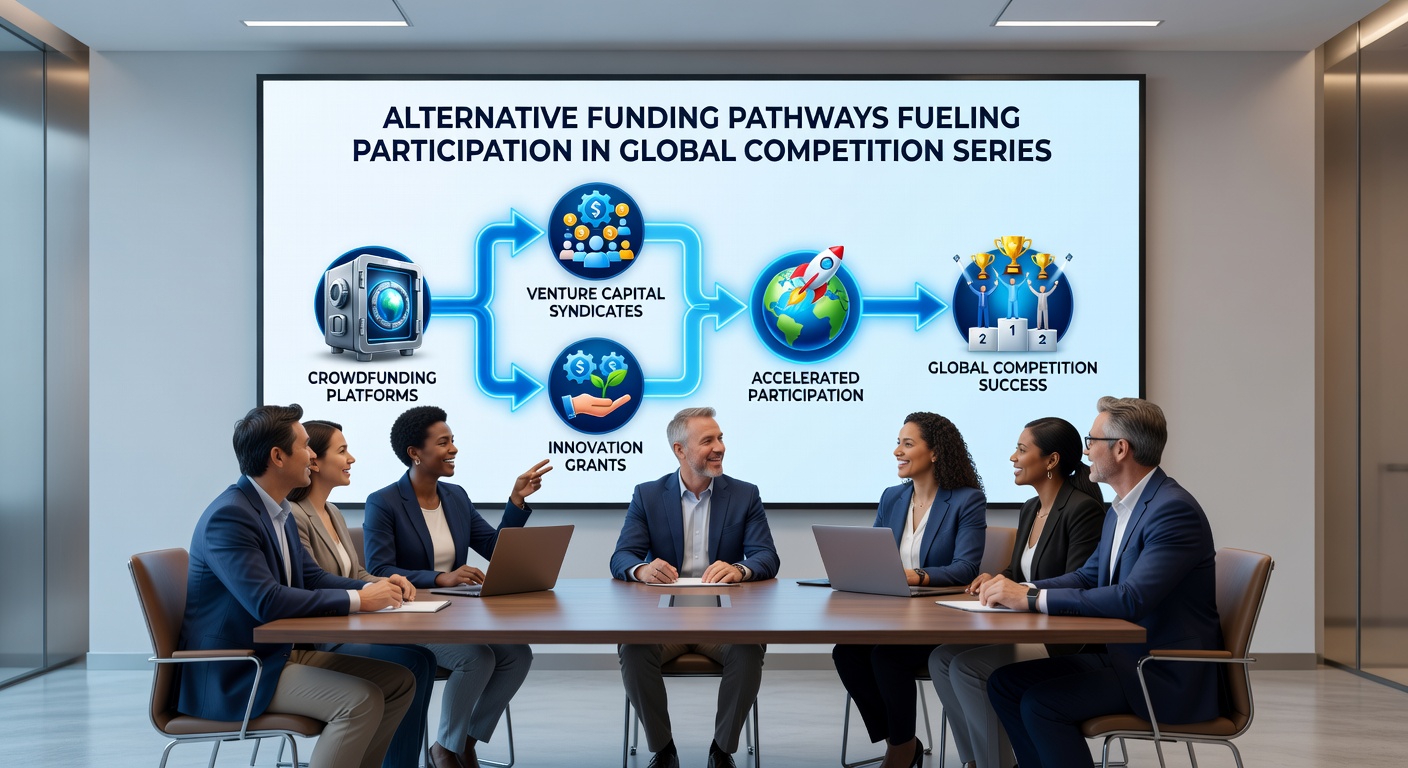
Venture-style funding has entered the space through specialized firms that offer advances against future earnings, and these arrangements allow participants to cover upfront costs while sharing percentages of prize money or endorsement income. Data from investment trackers shows at least four dedicated funds launched between 2024 and 2025 focused exclusively on competition series talent, each with portfolio sizes reported in the low millions. The model resembles traditional sports agency structures yet operates with shorter cycles aligned to tournament calendars rather than seasonal leagues.
One study revealed that revenue-sharing terms average between 10 and 20 percent of gross winnings over defined periods, which provides capital without interest accrual yet requires clear contractual language to protect participant control over career decisions. Experts have observed that these pathways suit competitors with consistent qualification histories because funders assess historical performance data before committing resources.
Institutional Grants and Regulatory Frameworks
Government-backed programs in several regions supply non-dilutive support for participants meeting eligibility criteria such as national representation or diversity targets, and the European Commission has published guidelines that encourage member states to integrate competition series into broader youth development initiatives. Australian authorities through their sports commission similarly list esports-adjacent categories in annual funding rounds, while Canadian federal programs have expanded eligibility to include digital competition formats as of 2025. These grants typically require reporting on outcomes including skill development metrics and community impact, which aligns public objectives with individual advancement goals.
Regulatory updates scheduled for implementation in May 2026 in select jurisdictions will standardize disclosure requirements for alternative funding sources, aiming to increase transparency around contract terms and participant protections. Figures from preliminary compliance documents suggest that standardized templates could reduce negotiation times for smaller sponsors while maintaining flexibility for customized deals.
Conclusion
Alternative funding pathways continue to reshape access patterns within global competition series by combining voluntary contributions, commercial partnerships, investment structures, and public grants into diversified support networks. Data indicates sustained growth across these channels through 2025, with projections pointing to further integration as series organizers incorporate funding education into participant resources ahead of upcoming cycles. Those monitoring developments note that the interplay between these mechanisms determines participation breadth more than any single source, and continued documentation of outcomes will inform how frameworks adapt to maintain equitable opportunity across regions.