Card Game Communities Forge International Alliances to Refine Tournament Approaches
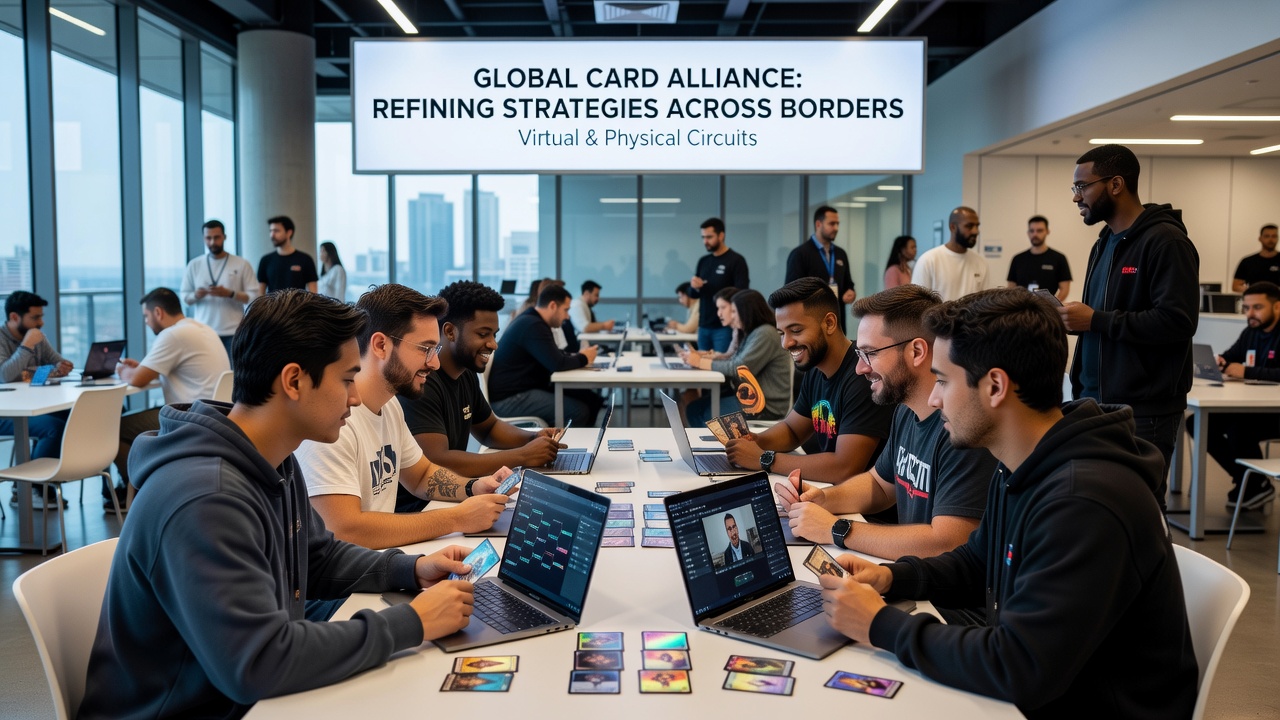
Card game communities have developed structured networks that connect participants across continents, focusing on shared methods for virtual platforms and in-person events, and these groups coordinate rule interpretations, strategy exchanges, and scheduling alignments that affect how tournaments operate in both digital and physical formats.
Cross-Border Network Formation
Groups based in Europe, North America, and Asia have formed alliances since the early 2020s that allow members to pool resources for analyzing gameplay data from online servers and live venues, while regional coordinators maintain regular video calls to discuss adjustments in blind structures or table formats that appear in July 2026 calendars for major circuits. Data from industry reports shows these connections have increased participation rates in synchronized events by linking local clubs with international organizers.
One initiative launched in 2024 brought together representatives from Canadian provincial associations and Australian state bodies to standardize timing protocols for hybrid tournaments that combine virtual qualifiers with physical finals, and this approach has spread to additional regions where organizers now reference shared databases for player eligibility checks.
Virtual Tournament Adaptations
Online platforms have seen communities implement collective review processes for software updates, with members from different time zones contributing logs that highlight latency issues or interface changes affecting fair play, and these reviews feed into joint recommendations submitted to platform operators. Figures from regulatory filings indicate that such collaborative feedback loops have shortened response times for bug fixes in major card game applications during 2025 and into 2026.
Participants often share anonymized hand histories through secure portals established by alliance members, which allows pattern recognition across borders without violating individual platform terms, while experts note that this practice has refined collective understanding of multi-table management techniques used in virtual circuits.
Physical Event Coordination

Live tournament circuits have incorporated input from these alliances when venues adjust seating arrangements or chip distribution methods, and July 2026 events scheduled at Horseshoe properties reflect some of these coordinated suggestions that originated from transatlantic working groups. Observers point out that such input has led to consistent enforcement of timing rules across multiple host cities.
Travel logistics represent another area where alliances provide practical support, with members exchanging information on visa processes and venue access policies that differ by country, and this exchange has streamlined attendance for players who compete in both European summer festivals and North American fall series without duplicating administrative efforts.
Rule Harmonization Efforts
Communities have compiled comparative documents that outline variations in local regulations for card games, covering topics from minimum age requirements to dispute resolution procedures, and these compilations serve as reference materials for organizers planning events that attract international fields. According to data released by the American Gaming Association, aligned rules have contributed to smoother operations at events drawing participants from multiple jurisdictions.
Training sessions conducted jointly through alliance channels cover topics like angle shooting prevention and etiquette standards that apply equally in virtual chats and physical tables, and researchers from institutions such as the University of Nevada have documented how these sessions correlate with reduced incident reports in participating circuits.
What's interesting is how these groups maintain focus on measurable outcomes, tracking metrics such as average game duration and player retention rates before and after implemented changes, and the results feed back into updated guidelines distributed among member organizations.
Impact on Broader Circuits
Alliances have influenced how tournament directors approach prize pool allocations and payout structures by aggregating data from events held in different regulatory environments, and this aggregated view has prompted some circuits to test tiered structures that account for both online and offline qualifiers. Evidence from Canadian gaming commission reports highlights increased cross-participation following such adjustments.
Communication tools developed within these networks include encrypted forums and shared calendars that synchronize announcement dates across regions, preventing conflicts that previously arose when overlapping events split player attention, and this synchronization has become standard practice heading into mid-2026 schedules.
Conclusion
Card game communities continue to expand these alliances by incorporating new members from additional countries and refining their coordination methods based on ongoing tournament results, and the resulting frameworks support consistent approaches that benefit both virtual and physical formats across international boundaries.