Connections Between Dietary Habits and Endurance Levels Observed in Prolonged Card Playing Sessions
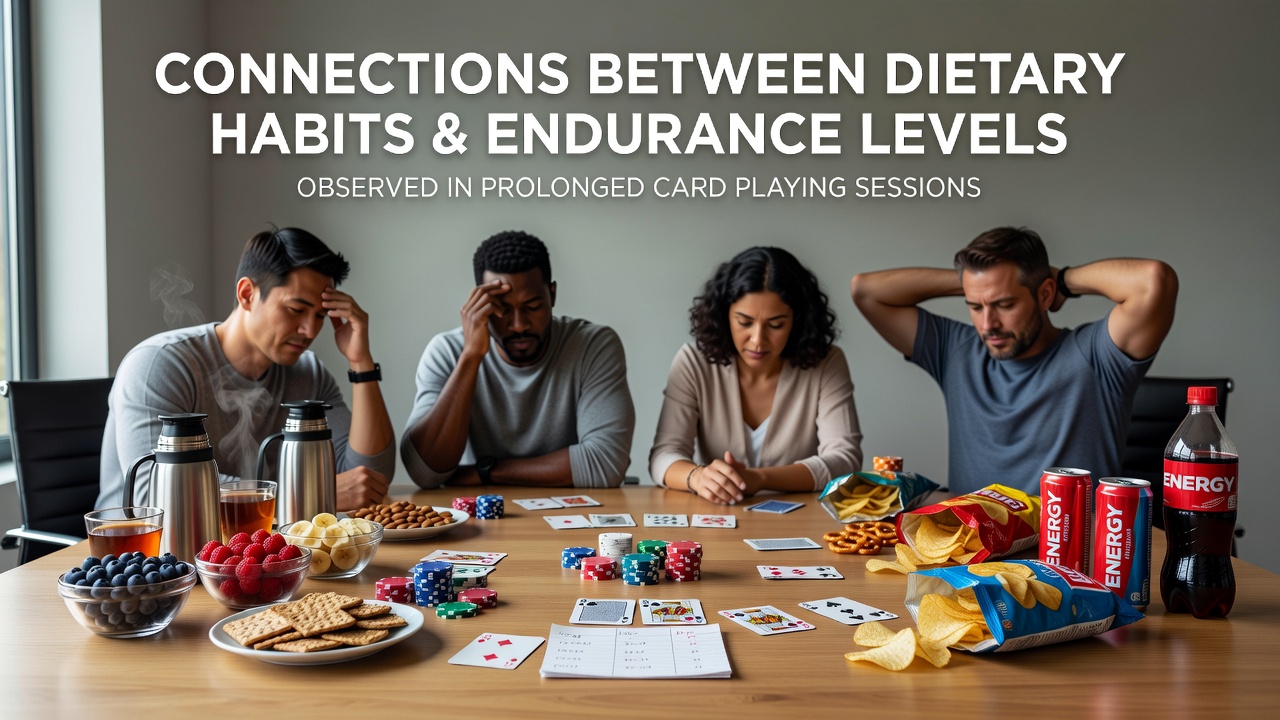
Prolonged card playing sessions demand sustained concentration and physical stamina because tournaments and cash games often stretch well beyond eight hours with minimal breaks, and data from competitive circuits indicate that dietary patterns directly influence how participants maintain performance across these durations.
Researchers examining player behavior during extended events have documented consistent patterns where choices around carbohydrate intake, hydration timing, and meal composition correlate with measurable differences in alertness and decision accuracy after the first few hours of play, while those who skip balanced nutrition report sharper declines in focus by the later stages.
Macronutrient Timing and Energy Maintenance
Complex carbohydrates serve as the primary fuel source for cognitive tasks during long sessions because they release glucose steadily rather than causing rapid spikes and crashes, and studies tracking tournament participants show that players who consume moderate portions of oats, whole grains, or fruits early in the day sustain steadier energy output compared with those relying on simple sugars from candies or sodas.
Protein sources such as nuts, eggs, or lean meats help stabilize blood sugar when paired with carbohydrates, yet observations from multiple events reveal that excessive protein without adequate fiber can lead to digestive discomfort that interrupts concentration during critical hands, prompting many experienced competitors to plan smaller, frequent intakes instead of large meals that sit heavily in the stomach.
Hydration Strategies Observed in Practice
Dehydration accelerates mental fatigue more rapidly than most participants anticipate, and figures compiled from card room monitoring programs demonstrate that players who maintain consistent fluid intake throughout sessions preserve reaction times and memory recall longer than those who drink only when thirst becomes noticeable, with water and electrolyte-balanced beverages emerging as the most common choices among those who complete full-day schedules without performance drops.
What's interesting is how caffeine consumption fits into these routines because moderate doses from coffee or tea can enhance alertness initially, but data collected across international circuits indicate that intakes exceeding 400 milligrams within a twelve-hour window often produce jitteriness and disrupted sleep patterns that impair recovery between consecutive playing days, leading organizers in some regions to encourage designated hydration stations stocked with non-caffeinated options.
Meal Planning Around Tournament Structures
Events scheduled in June 2026, including stops on the WSOP Circuit and various European series, highlight how venue food availability shapes dietary decisions, since players who bring pre-prepared snacks containing balanced macros avoid the pitfalls of relying on concession options heavy in fats and refined sugars that can induce post-meal sluggishness during afternoon and evening rounds.

Those who've studied endurance in card environments note that timing becomes critical when sessions extend past midnight, because consuming heavy foods close to rest periods interferes with sleep quality, whereas lighter evening choices like yogurt with fruit or vegetable-based options support overnight recovery and allow participants to return with restored cognitive capacity the following morning.
Academic sources such as research compiled through the National Institutes of Health underscore the broader physiological mechanisms at work, showing how sustained glucose availability and micronutrient support from vitamins B and D contribute to neural efficiency during repetitive decision-making tasks that characterize extended card play.
Regional and Cultural Variations in Player Diets
European card rooms have reported shifts toward more plant-forward options in recent years, with data from industry groups indicating increased availability of salads, smoothies, and whole-food snacks that align with local preferences while supporting longer play without the energy dips associated with fried or processed alternatives common in some North American venues.
Australian regulatory bodies overseeing gaming environments have similarly documented how providing nutritional guidance materials at major events correlates with fewer player complaints about fatigue, suggesting that awareness campaigns around meal composition can influence habits across diverse participant groups without requiring prescriptive rules.
One case that stands out involves a group of multi-day event regulars who adopted a strategy of alternating carbohydrate-rich breakfasts with protein-focused lunches, resulting in documented improvements in late-session statistics tracked by tournament software, though individual responses vary based on metabolism and prior conditioning.
Conclusion
Patterns emerging from competitive card play demonstrate clear linkages between consistent dietary practices and the ability to maintain endurance across extended sessions, as evidenced by performance metrics and observational reports from multiple circuits worldwide, and continued monitoring through health and gaming organizations promises further refinement of these connections as events evolve in 2026 and beyond.