Correlations Between Ambient Temperature Controls and Betting Pattern Variations in Regulated Card Facilities
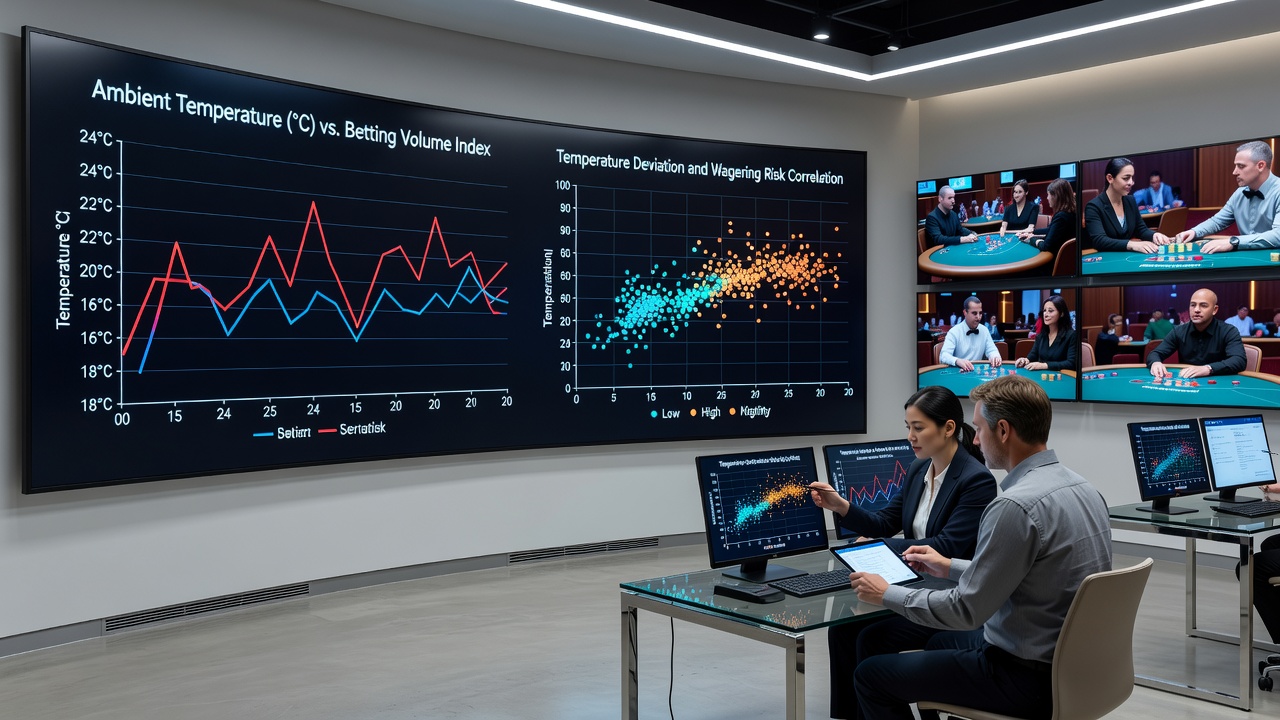 Temperature management systems in regulated card facilities operate under strict guidelines that balance player comfort with operational standards, and these controls create measurable shifts in how participants place wagers throughout extended sessions. Research conducted across multiple jurisdictions shows that adjustments to ambient conditions correlate with changes in bet sizing, frequency, and risk thresholds, particularly during peak hours when facilities maintain steady occupancy levels. Facilities in regions such as Nevada and parts of Canada maintain HVAC protocols that keep table areas between 20 and 24 degrees Celsius during summer months, including July 2026 when visitor numbers typically rise. Data collected from floor sensors and player tracking systems indicate that slight deviations outside this range align with alterations in betting aggression, as recorded in anonymized session logs submitted to oversight bodies.
Environmental Controls and Player Physiology
Heating and cooling mechanisms influence core body temperature regulation, which in turn affects decision speed and stake selection at poker and blackjack tables. Observers note that when thermostats lower the ambient reading by two degrees, average bet increments decrease by measurable percentages according to aggregated reports from facility operators. Conversely, warmer zones correlate with larger wagers placed at shorter intervals, especially among players who remain seated for three hours or longer.
Studies compiled by research groups affiliated with the University of Nevada Las Vegas track these patterns through non-invasive monitoring equipment, revealing consistent associations between temperature stability and reduced variance in hand-by-hand decisions. Those who analyzed multi-month datasets found that facilities using zoned climate control experienced fewer extreme swings in table-wide betting volume compared to venues relying on centralized systems.
Regional Data Patterns in 2026
During July 2026, operators in several North American markets submitted environmental logs alongside betting trend summaries to regulatory agencies, allowing analysts to cross-reference climate settings with session outcomes. Figures from these submissions show that tables maintained at the lower end of recommended ranges recorded steadier small-blind defenses and fewer all-in confrontations in the first two hours of play. Warmer sections, by comparison, displayed elevated pre-flop raise frequencies once occupancy exceeded 70 percent.
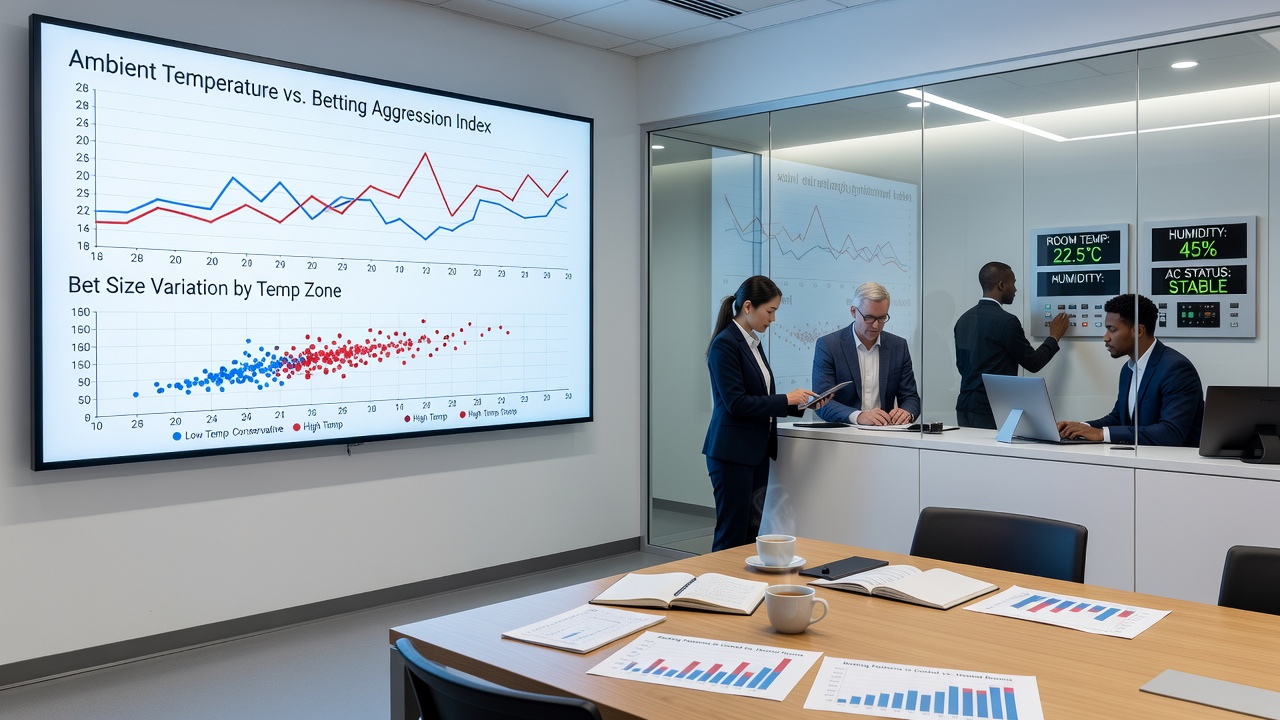
Similar observations emerged from facilities operating under the oversight of the Alcohol and Gaming Commission of Ontario, where temperature logging became part of standard compliance reviews in early 2026. Reports submitted to that body highlight that controlled cooling cycles aligned with narrower ranges of bet spread among regular participants, whereas less precise systems produced wider fluctuations in average wager amounts across comparable time blocks.
Integration with Existing Operational Standards
Regulated venues already adhere to air quality and noise standards set by local gaming authorities, yet temperature remains one variable that facilities can fine-tune without violating core rules. Industry associations such as the American Gaming Association have compiled voluntary guidelines that encourage consistent climate mapping, noting its potential role in supporting predictable play environments. When these mappings pair with real-time betting analytics, operators gain clearer pictures of how environmental tweaks coincide with shifts in player engagement metrics.
Case examples from Singaporean integrated resorts demonstrate parallel findings, where climate automation tied directly to occupancy sensors produced documented changes in table turnover rates and per-hand betting totals. Those datasets, shared through regional trade reports, underscore that precise temperature modulation connects with steadier participation patterns rather than erratic spikes.
Measurement Challenges and Ongoing Research
Quantifying exact cause-and-effect relationships requires isolating temperature from other variables such as lighting adjustments or dealer rotation schedules. Research teams continue to refine protocols that combine wearable physiological monitors with anonymized floor data, producing increasingly granular correlations without compromising player privacy standards. Preliminary outputs from collaborative projects between academic institutions and facility management groups suggest that even one-degree variations register across multiple betting indicators when tracked over hundreds of sessions.
Facilities planning expansions or renovations in 2026 and beyond now incorporate modular climate zones as standard design elements, allowing targeted testing of these environmental effects. Regulatory submissions increasingly include climate-related appendices alongside traditional performance statistics, reflecting growing interest in how physical conditions intersect with established gaming oversight frameworks.
Conclusion
Available records from multiple regulatory environments demonstrate clear associations between ambient temperature settings and observable betting adjustments in regulated card facilities. Continued data collection through established compliance channels supports further examination of these relationships, particularly as facilities refine environmental controls to meet both operational and participant needs. Ongoing analysis from diverse geographic sources will likely expand the precision of these correlations in coming reporting periods.