Cultural Influences on Etiquette Standards in International Live Card Competitions and Their Digital Counterparts
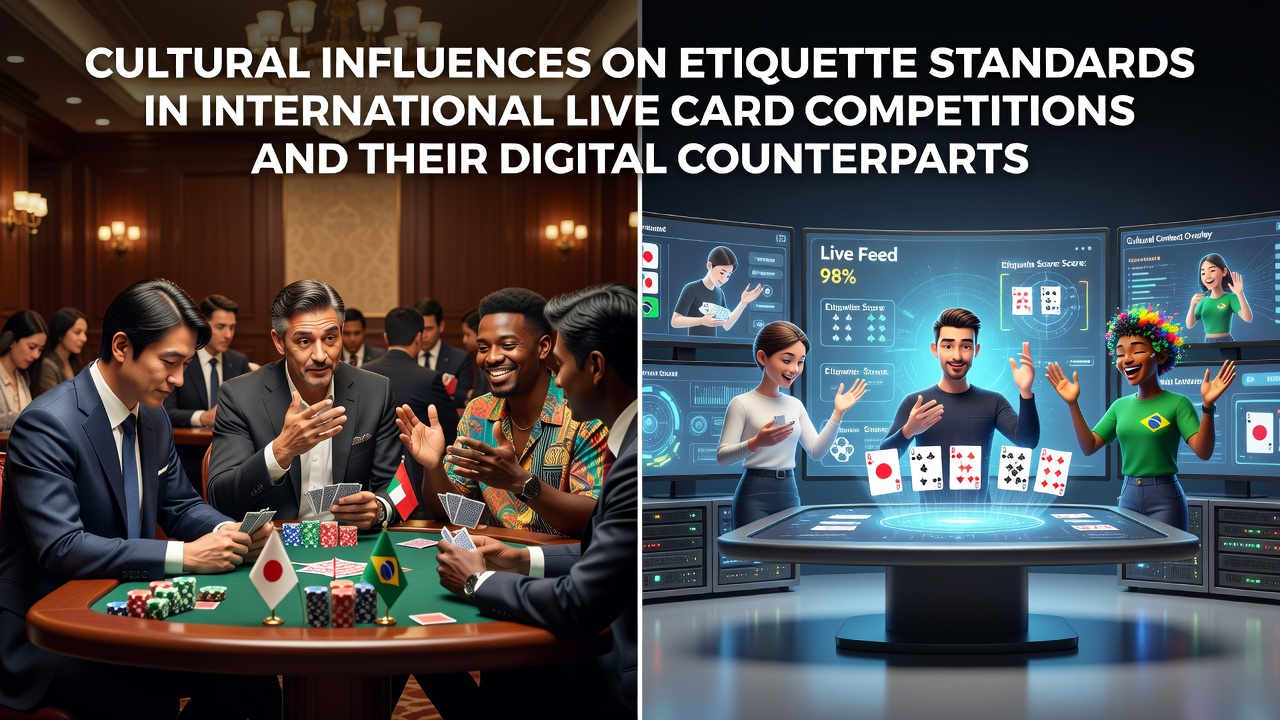
International live card competitions bring together participants from dozens of nations each year, and etiquette standards shift noticeably depending on the cultural backgrounds represented at any given table. Observers note that handshakes remain common among North American and European entrants while many East Asian players prefer slight bows or nods before play begins, and these variations appear consistently across major circuits including events scheduled for July 2026 in Las Vegas and Macau properties. Research indicates that silence during hands receives stronger emphasis in Japanese and Korean circles, whereas light table talk flows more freely in Latin American and Australian groups, creating layered expectations that tournament directors must address through pre-event briefings.
Regional Variations in Live Settings
European circuits often maintain formal posture requirements and minimal physical contact after losses, yet data from the Casino Regulatory Authority of Singapore shows that Southeast Asian venues permit brief celebratory gestures provided they do not disrupt adjacent players. Those who've studied tournament footage across multiple continents find that eye contact norms differ sharply, with direct stares viewed as confrontational in some Middle Eastern delegations while considered standard focus indicators in North American play. Tournament staff in July 2026 events plan additional orientation sessions precisely because mixed fields continue to expand, and rule adaptations now include translated etiquette cards distributed at registration.
Seating order disputes surface more frequently when cultural preferences for left-right positioning clash wth standard dealer procedures, and arbitration records from recent international series document these incidents rising in proportion to the number of participating regions. Observers note that chip handling etiquette also varies, with some groups stacking chips in precise columns while others leave them in loose piles until the next betting round forces standardization.
Transition Patterns Between Cultures
When players move between circuits, adjustment periods last anywhere from one to three days according to industry reports compiled by the Alcohol and Gaming Commission of Ontario. Those who compete regularly across borders develop hybrid behaviors that blend elements from multiple traditions, such as combining a respectful nod with a quick verbal acknowledgment. Event organizers track these adaptations through post-tournament surveys, revealing that repeated exposure reduces misunderstandings faster than written rule sheets alone.
Digital Counterparts and Platform Adaptations
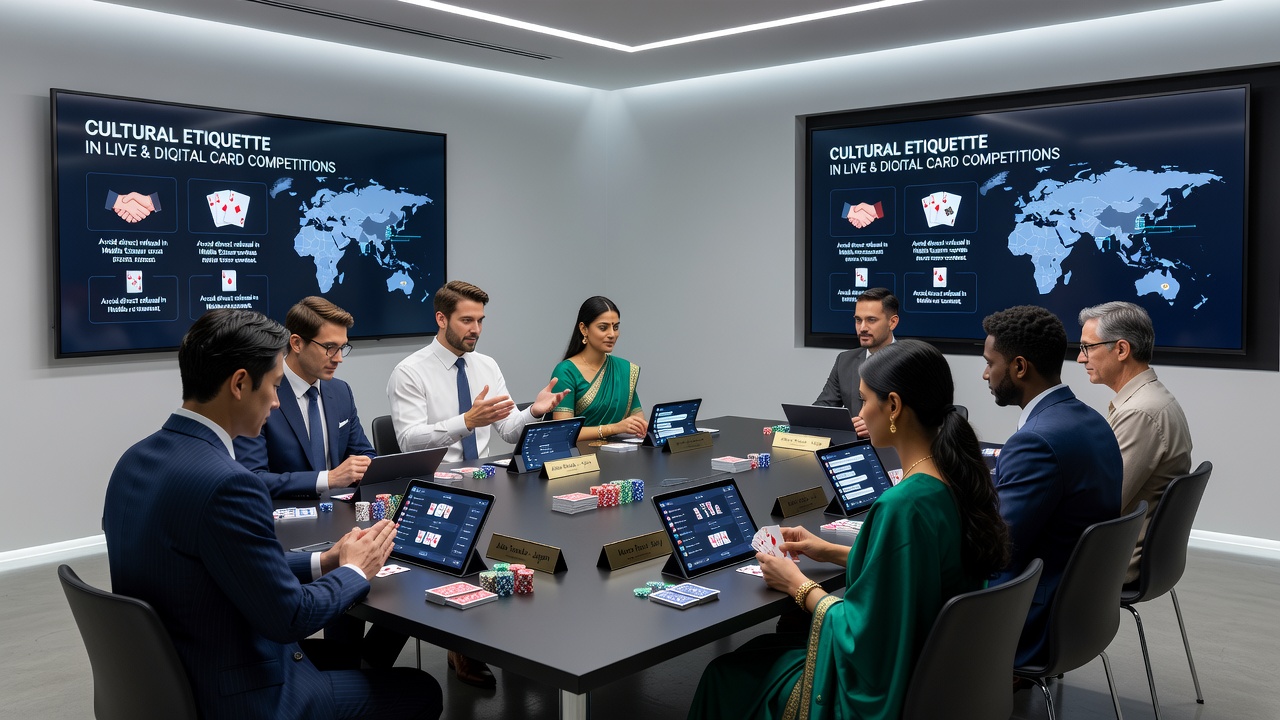
Digital platforms replicate many live etiquette elements through programmed rules and community guidelines that reflect the dominant player bases in each market. Chat timing restrictions appear stricter on servers serving East Asian users, while platforms popular in Europe allow longer message threads before auto-moderation activates. Research indicates that emoji usage follows similar regional patterns, with certain symbols carrying unintended connotations across language groups and prompting developers to add context-sensitive filters.
Time zone differences create secondary etiquette layers because late-night play in one region coincides with peak hours elsewhere, and players accustomed to rapid decisions encounter slower response rhythms from participants operating on different circadian schedules. Platform analytics reveal that connection stability warnings now include cultural phrasing options so that players receive alerts in their preferred language without breaking immersion.
Avatar customization options incorporate traditional attire from various regions, yet designers limit gesture animations to prevent accidental offense across cultural lines. Those monitoring player retention data observe that platforms offering region-specific tutorial modules on digital etiquette retain users longer than generic interfaces.
Cross-Platform Convergence Trends
Hybrid events that combine live qualifiers with digital final tables require unified etiquette frameworks, and governing bodies continue refining these standards ahead of the July 2026 schedule. Studies show that players who master both live and digital norms gain measurable advantages in international fields because they anticipate behavioral differences before they surface at the table or in chat windows. Regulatory updates now mandate that software updates include refreshed etiquette modules whenever new regional markets open.
Conclusion
Cultural influences on etiquette continue shaping both live and digital card competitions through measurable behavioral patterns and platform adjustments. As international fields grow denser in 2026, the documented adaptations in rules, training materials, and software features reflect ongoing efforts to maintain fair play across diverse participant groups. Data from multiple regulatory sources confirms that consistent attention to these differences supports smoother operations and broader participation worldwide.