Decoding the Influence of Background Music Selections on Concentration Levels Within Competitive Card Environments
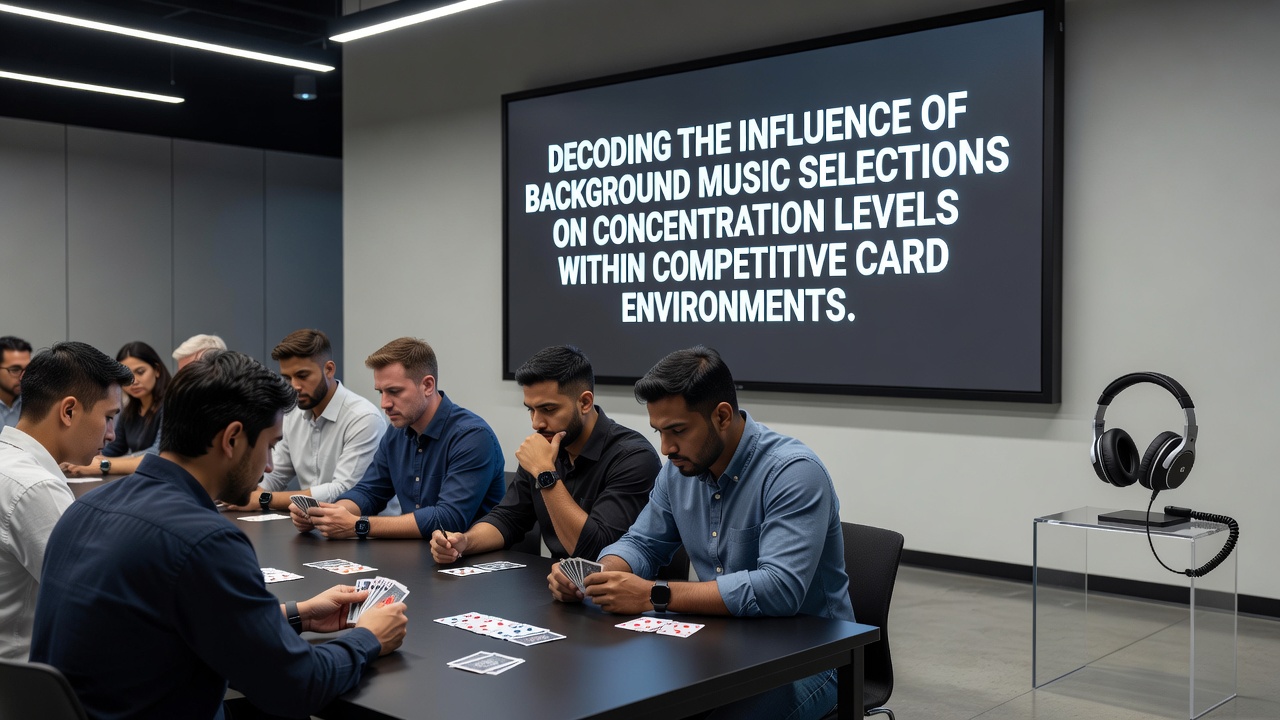
Competitive card environments, from tournament halls to cash game rooms, often feature carefully curated background music that players encounter during extended sessions, and researchers continue to examine how these selections intersect with focus and decision-making processes. Data from multiple academic investigations show measurable shifts in attention metrics when music tempo, volume, and genre vary across controlled settings that mimic card play conditions.
Research Findings on Music Tempo and Cognitive Load
Studies conducted at institutions including the University of Melbourne have tracked heart rate variability and response times among participants performing card-sorting tasks under different audio conditions, revealing that tempos between 60 and 80 beats per minute correlate with steadier performance on memory recall elements while faster selections above 120 beats per minute associate with increased error rates in sequential decision sequences. Observers note that these patterns hold across both novice and experienced groups, although individual differences in baseline concentration capacity influence the magnitude of the effect.
Additional work from Canadian research teams at the University of Windsor has explored genre variations, finding that instrumental tracks without lyrics produce smaller disruptions to working memory tasks compared with vocal selections, a distinction that carries relevance for card rooms where sustained tracking of community cards and opponent patterns remains central to play. Figures from these experiments indicate performance consistency improves when music maintains low dynamic range and avoids abrupt shifts in intensity.
Applications in Live Tournament Settings
Venues hosting large-scale events in 2026 have adjusted audio protocols during preliminary rounds scheduled for early June, incorporating playlists designed around mid-tempo electronic and ambient selections that align with findings from cognitive studies. Tournament directors report implementing volume caps at 65 decibels in active play areas, a threshold derived from workplace acoustics guidelines that balance ambient coverage with speech intelligibility for dealer announcements and player interactions.
Those monitoring player behavior across multiple properties observe that consistent background selections reduce complaints about external noise fluctuations, particularly in spaces where adjacent tables generate overlapping conversations. Data collected through post-session surveys at several North American card rooms indicate participants rate concentration as higher when music remains steady rather than cycling through high-contrast tracks.
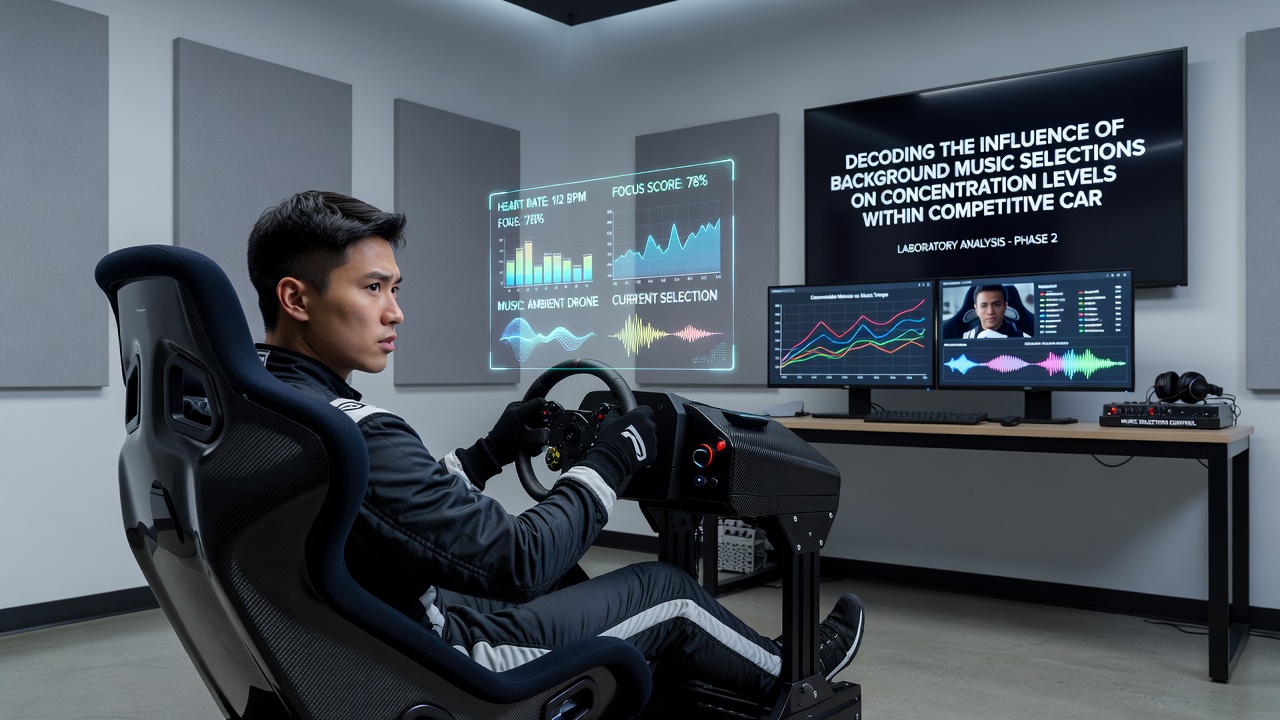
Comparative Data From Digital and Physical Environments
Online platforms that simulate card environments through video streams or integrated audio options present another layer of analysis, with usage logs from major sites showing that players who enable optional background tracks during multi-table sessions maintain longer average session durations than those who disable audio entirely. European gaming association reports compiled in 2025 documented similar trends across regulated platforms operating in multiple jurisdictions, noting that customizable volume sliders allow individuals to calibrate input according to personal sensitivity thresholds.
Yet transitions between physical and digital formats reveal adaptation differences, as players accustomed to venue acoustics sometimes report initial distraction when portable device audio replaces room-filling sound systems. Research published through academic channels continues to quantify these adjustments by comparing error patterns in identical hand scenarios presented under varied audio delivery methods.
Volume, Genre Selection, and Regulatory Context
Regulatory frameworks in several regions address ambient sound levels within gaming facilities, with Australian state guidelines and certain U.S. state gaming control board standards specifying maximum decibel allowances that indirectly shape music programming choices. Industry organizations such as the American Gaming Association have referenced acoustics research in best-practice documents distributed to member properties, encouraging selections that support rather than compete with the auditory demands of gameplay.
Genre experimentation appears in select high-traffic rooms, where jazz instrumentals or minimalist electronic compositions replace earlier pop-oriented rotations following internal performance reviews. These shifts coincide with broader adoption of zoned audio systems that permit different tracks in tournament versus cash game sections, allowing operators to respond to observed concentration patterns without uniform application across the entire floor.
Conclusion
Evidence accumulated from cognitive studies and operational data demonstrates that background music selections exert measurable influence on concentration metrics within competitive card environments, with tempo, genre, and volume serving as primary variables tracked across investigations. Venues continue to refine programming approaches in line with these findings, while researchers expand datasets to include longer-duration sessions that reflect actual tournament structures. Continued monitoring through academic and industry channels provides updated parameters that inform both design choices and player preparation strategies.