Deposit Method Variations and Participation Trends in Global Card Room Networks
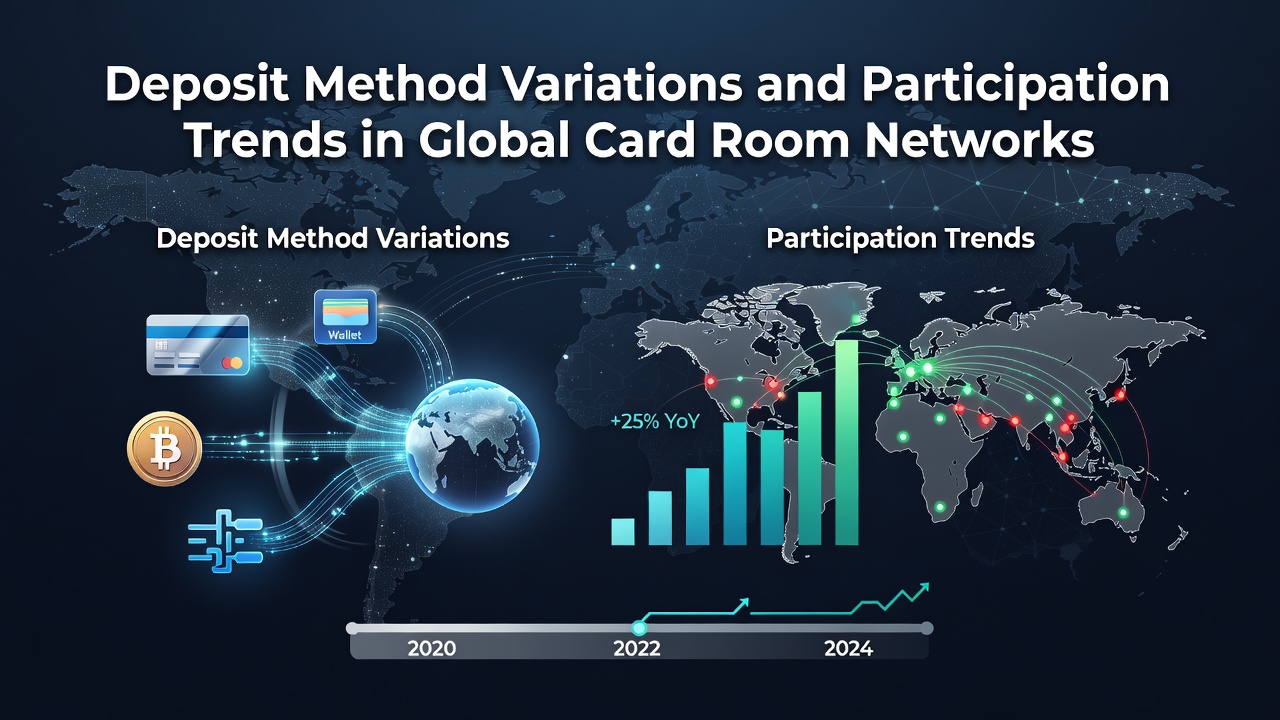
Global card room networks have adapted deposit systems to accommodate diverse banking infrastructures, regulatory environments, and player preferences across continents, and these adaptations have produced measurable shifts in participation rates during the first half of 2026. Credit card transactions continue to dominate in North American and certain European markets because established processors maintain compatibility with major networks, yet alternative options such as e-wallets and prepaid vouchers have gained ground in regions where direct card processing faces restrictions.
Regional Deposit Preferences Shape Access Patterns
Observers note that Latin American operators report higher adoption of local bank transfer methods and mobile wallet integrations, which reduce transaction friction for players who lack international cards, and participation in those networks has risen steadily since early 2025. In contrast, Southeast Asian card rooms rely more heavily on cryptocurrency gateways and third-party aggregators to bypass domestic banking limitations, a pattern documented in industry reports that track cross-border volume.
Data from the Nevada Gaming Control Board indicate that authorized platforms in that jurisdiction processed the majority of deposits through established card networks and approved e-wallets during the spring months leading into July 2026, while emerging prepaid options accounted for a smaller but growing share. European networks, operating under different licensing regimes, have integrated instant bank transfer solutions at higher rates, and those systems have correlated with sustained or increased session frequency among registered users.
Payment Processing Changes and Player Engagement
Studies conducted by academic research groups at the University of Sydney have examined how deposit speed and fee structures influence retention, revealing that networks offering sub-minute processing times through digital wallets recorded higher repeat participation compared with those limited to traditional bank wires. These findings align with operational data from multi-jurisdictional operators that adjusted gateway options ahead of the 2026 summer schedule.
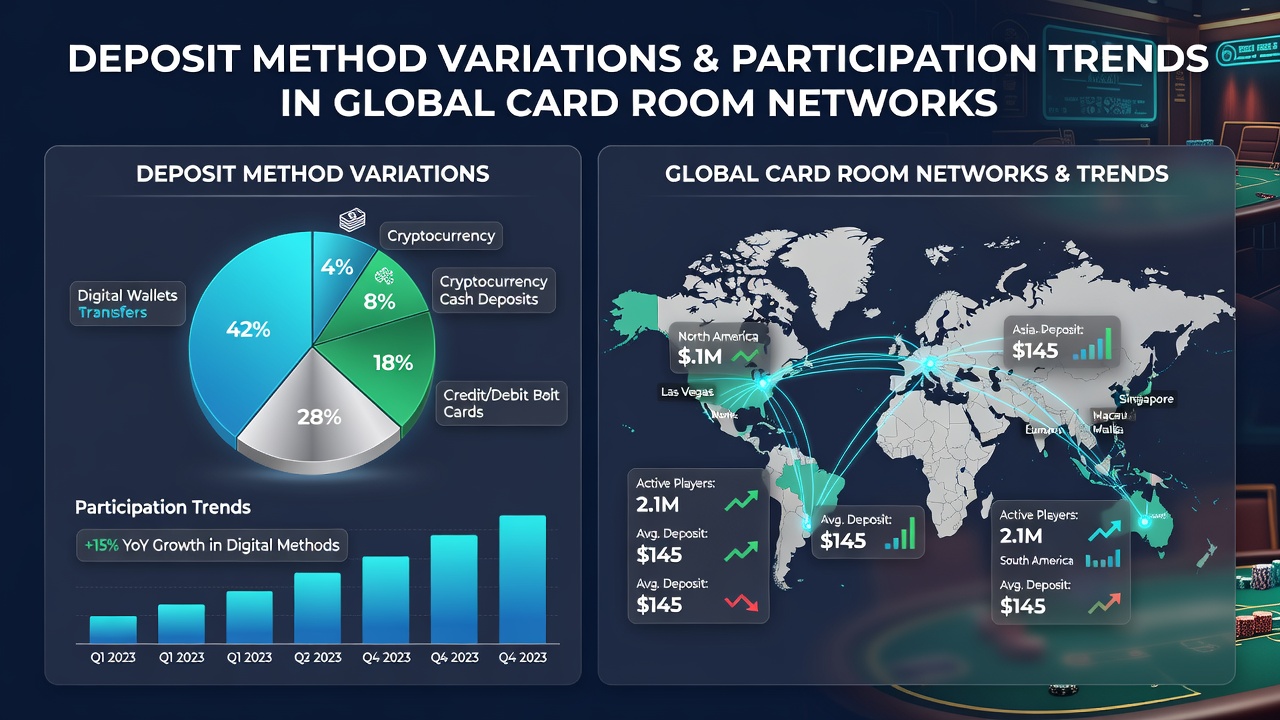
Card rooms that introduced region-specific deposit bundles, including combined currency conversion and loyalty credit features, observed measurable upticks in new account creation during the second quarter. Analysts tracking global liquidity pools have noted that these localized solutions help stabilize player counts even when macroeconomic factors pressure discretionary spending, and the effect appears most pronounced in markets where cash-based economies still predominate.
Trends Emerging Ahead of Mid-2026 Events
Participation metrics compiled by industry monitoring services show that networks with the broadest range of accepted deposit channels maintained steadier traffic levels through seasonal transitions, whereas single-method platforms experienced sharper fluctuations. July 2026 schedules at major festival stops have prompted operators to expand voucher and gift-card deposit pathways, anticipating influxes from regions where credit card penetration remains lower.
Those who monitor cross-network migration patterns report that players frequently shift between platforms based on the deposit methods each accepts, and networks that added support for additional local rails during 2025 retained a larger portion of their user base. This movement occurs without significant changes in game selection or prize structures, underscoring the direct role deposit infrastructure plays in access decisions.
Conclusion
Deposit method diversity across global card room networks continues to expand in response to regulatory and technological developments, and the resulting participation trends reflect clear correlations between available payment options and sustained engagement levels. Networks that maintain multiple gateways while complying with regional rules have positioned themselves to capture broader player segments as activity levels adjust around the July 2026 calendar. Continued monitoring by regulatory bodies and research institutions will clarify how these payment variations evolve alongside broader economic and policy shifts.