How Altitude Variations at Mountain Resort Card Venues Alter Oxygen-Related Focus Patterns During Extended Sessions
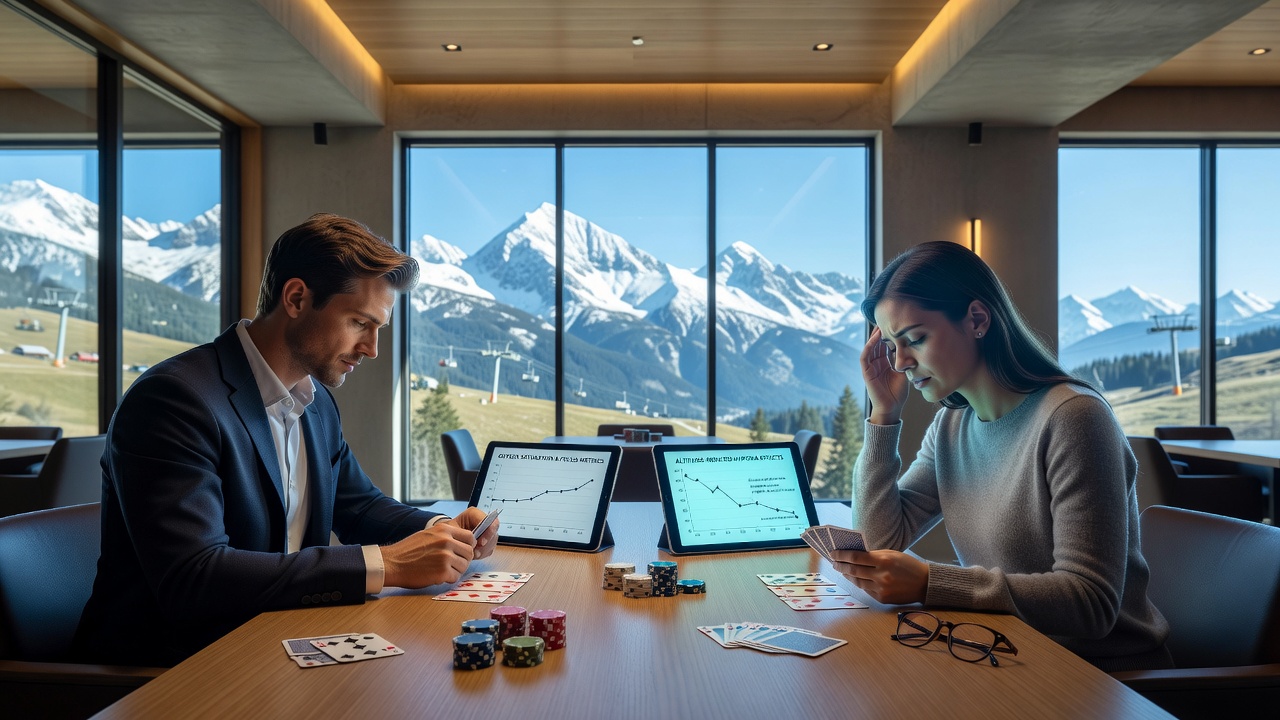
Card venues situated in mountain resorts operate at elevations ranging from 1,500 to 3,000 meters above sea level, and these locations create measurable shifts in atmospheric oxygen availability that influence player concentration over multi-hour periods. Research from institutions such as the University of Innsbruck demonstrates that partial pressure of oxygen decreases by approximately 10 to 12 percent at 2,000 meters, which reduces arterial oxygen saturation and triggers compensatory physiological responses including elevated heart rate and altered cerebral blood flow. Observers note that these changes become pronounced during sessions exceeding four hours, where sustained attention on betting patterns, opponent reads, and probability calculations encounters interference from mild hypoxic conditions.
Atmospheric Conditions at Resort Elevations
Mountain card rooms in regions such as the Colorado Rockies, the Swiss Alps, and the Canadian Rockies host regular events throughout the year, including a series of tournaments scheduled for July 2026 at properties above 2,400 meters. Data collected by meteorological and health monitoring networks indicate that oxygen partial pressure at these sites falls from 21 percent at sea level to roughly 16 to 17 percent, depending on exact elevation and temperature gradients. Venues in Aspen and Banff, for instance, record consistent barometric readings that correlate with lower oxygen delivery to brain tissue, prompting players to exhibit slower reaction times on decision points that normally require rapid mental arithmetic. Studies published through academic channels show that hemoglobin saturation drops from 97 percent to 92 to 94 percent within the first two hours of exposure, with further declines observed as sessions extend past midnight.
Cognitive Effects Documented in Extended Play
Investigators tracking performance metrics at high-altitude card events report specific alterations in focus patterns tied directly to oxygen availability. Participants display increased variability in response latency on complex hand evaluations, alongside reduced accuracy in tracking multiple variables such as pot odds and implied odds. Research conducted by teams at the University of Calgary found that individuals acclimated to sea-level environments experience a measurable decrement in working memory capacity after four consecutive hours at 2,500 meters, while those with prior high-altitude exposure show partial adaptation but still register fatigue markers earlier than at lower venues. These patterns appear in both tournament and cash-game formats, where extended sessions demand continuous vigilance without the natural breaks common in other activities.
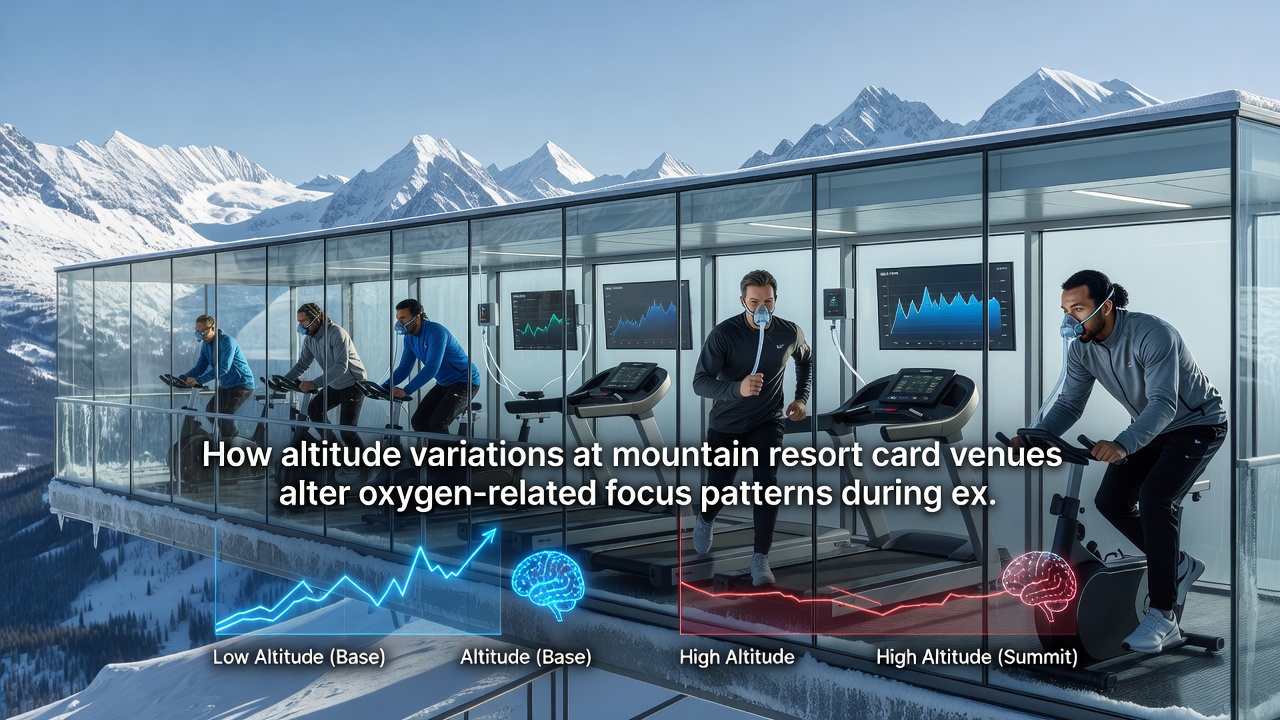
Additional findings from European mountain resort studies indicate that visual processing speed and auditory cue detection also decline under reduced oxygen, affecting players who rely on subtle physical tells or dealer rhythm. Heart-rate monitors worn during monitored events reveal sustained elevations of 10 to 15 beats per minute above baseline, which correlates with earlier onset of mental fatigue around the six-hour mark. Data from these observations suggest that oxygen-related changes do not eliminate strategic competence but redistribute attention resources, leading some participants to favor simpler decision heuristics after prolonged exposure.
Comparative Data Across Elevation Levels
Comparative analyses between venues at 500 meters versus those above 2,000 meters reveal consistent differences in session endurance metrics. Players at lower-elevation facilities maintain stable focus indicators through eight-hour stretches, whereas the same cohort at mountain sites shows accelerated decline in sustained attention tasks after five hours. Figures compiled by regional health authorities in both North America and the Alps document that hydration status and prior acclimatization influence the rate of these changes, although the underlying oxygen gradient remains the dominant variable. Venues have responded by installing supplemental ventilation systems and monitoring ambient conditions, yet atmospheric oxygen itself stays fixed by geography and cannot be altered through facility modifications alone.
Physiological Mechanisms and Adaptation Timelines
At higher altitudes the body increases ventilation rate and produces additional red blood cells over days, yet most card-event participants arrive for short-term stays and therefore operate without full acclimatization. Cerebral oxygen delivery consequently remains suboptimal throughout the visit, producing the documented shifts in focus endurance. Monitoring programs at multiple resorts have logged average oxygen saturation levels every 30 minutes during evening sessions, confirming that declines accelerate after the third hour and stabilize only when players exit the playing area or receive supplemental oxygen through brief outdoor intervals. These measurements align with laboratory hypoxia simulations that isolate oxygen partial pressure as the causative factor independent of other environmental variables such as temperature or noise.
Conclusion
Altitude-driven reductions in oxygen availability at mountain resort card venues produce measurable, repeatable alterations in focus patterns during extended sessions. Data gathered across multiple geographic regions establish that lower partial pressure of oxygen directly influences cognitive endurance, with effects accumulating after several hours of continuous play. Facilities continue to track these parameters through ongoing monitoring programs, while participants encounter consistent physiological conditions determined by site elevation. The patterns observed in July 2026 events and similar future gatherings will likely follow the same documented relationships between atmospheric oxygen and sustained attention metrics.