How Regional Climate Variations Shape Attendance Trends at Seasonal Poker Gatherings
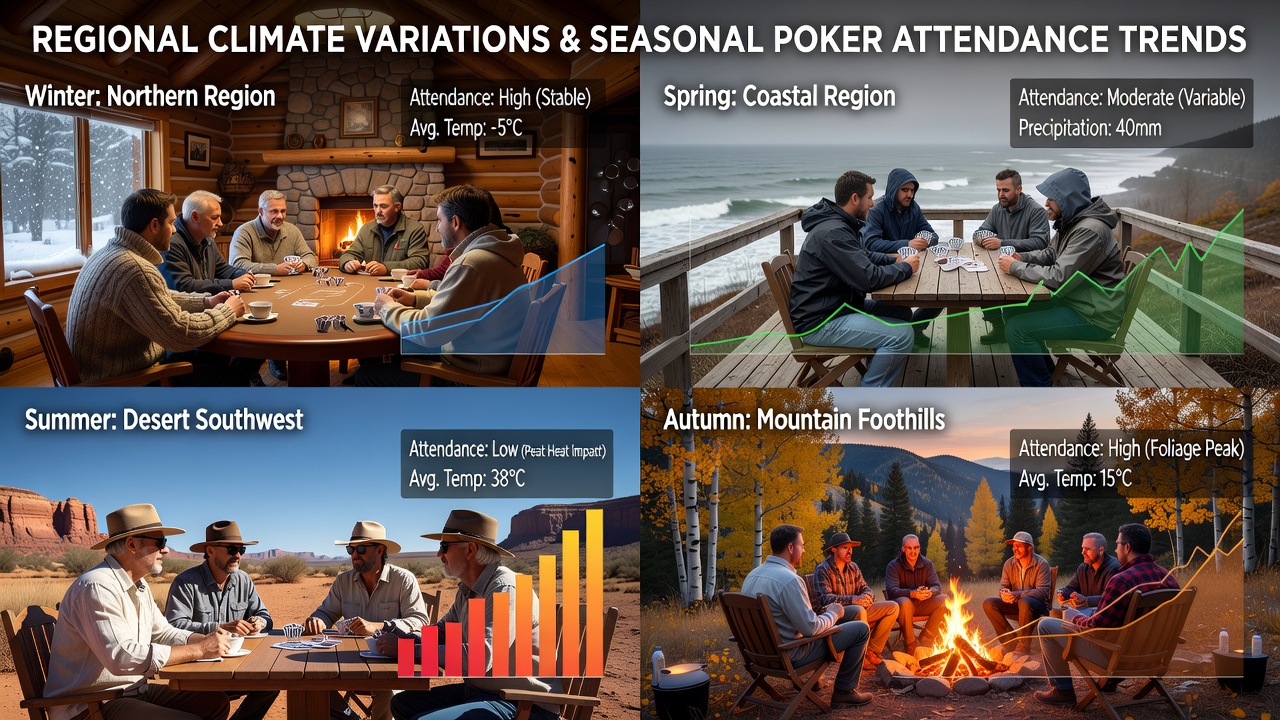
Regional climate variations create measurable shifts in attendance at seasonal poker gatherings, with data from multiple years showing clear correlations between temperature extremes, precipitation levels, and participant numbers at events held in specific locations. Observers note that summer gatherings in high-heat zones often experience dips in registration figures when daytime temperatures exceed typical thresholds, while milder coastal or mountain venues maintain steadier inflows during the same calendar windows. These patterns emerge because players factor travel comfort and venue conditions into their decisions, leading organizers to adjust schedules based on historical weather records from sources like the National Oceanic adn Atmospheric Administration.
Patterns Across Major Poker Regions
Events clustered in the southwestern United States demonstrate one set of trends, where intense summer heat coincides with reduced foot traffic at outdoor or semi-outdoor facilities during July and August. In contrast, gatherings scheduled for spring or fall in the same areas attract higher volumes, according to registration logs compiled by circuit operators. Northern regions show the opposite dynamic during winter months, with snow and subzero conditions correlating to lower turnout unless venues provide extensive indoor amenities or shuttle services. European circuits reveal additional layers, where rainfall patterns in the United Kingdom and central countries affect ferry and flight arrivals for cross-border participants.
What's interesting is how these climate signals interact with fixed tournament calendars. Data indicates that events locked into peak summer slots in desert climates see attendance stabilize only when air-conditioned expansions or evening start times get introduced. Meanwhile, venues in temperate zones like parts of Canada maintain consistent numbers year-round because average temperatures rarely disrupt travel plans. Researchers at institutions tracking gaming trends have documented these adjustments through multi-year datasets that pair meteorological records with entry statistics.
Attendance Data and Climate Correlations
Figures compiled across North American circuits show a consistent 15 to 25 percent drop in participation at outdoor poker festivals when average highs surpass 95 degrees Fahrenheit for consecutive days. The same datasets reveal that precipitation above 0.5 inches on event days reduces walk-up registrations by roughly 10 percent in open-air formats. Australian operators report parallel findings, where heatwaves in the interior states push players toward coastal events during January and February. These statistics come from aggregated reports issued by regional gaming associations and climate monitoring bodies.
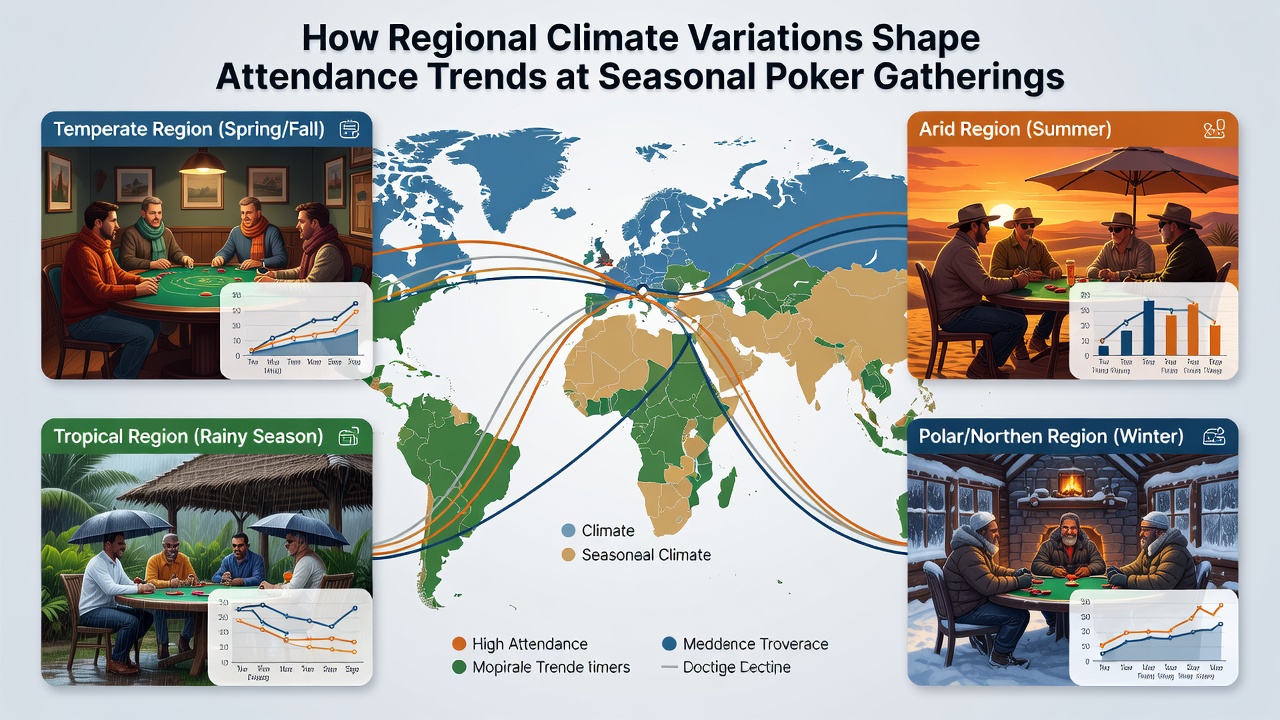
But here's the thing: indoor venues buffer some of these effects. Air-conditioned halls in Las Vegas or Atlantic City maintain steadier numbers even during extreme weather because climate control removes the variable. Yet transportation disruptions still ripple through, with flight delays from storms cutting same-day entries by notable margins. Observers tracking July 2026 schedules note that events planned for that month in high-variability zones now incorporate weather contingency clauses in their marketing to stabilize projections.
Organizer Adaptations and Scheduling Shifts
Event planners respond to these climate-driven trends by rotating locations or altering formats. Some circuits move marquee summer stops to higher elevations or waterfront sites where temperatures stay moderate. Others extend qualifying periods to allow players to select climate-friendly dates within broader windows. Case studies from circuits operating in both arid and humid zones illustrate how these tweaks preserve overall participation rates despite localized weather challenges. One documented example involves a multi-stop series that shifted a July segment northward after two consecutive years of heat-related declines, resulting in restored registration volumes.
Additional factors compound the climate influence. Humidity levels affect player endurance during long sessions, while storm frequency disrupts satellite events feeding into main tournaments. Industry reports from bodies such as the European Gaming and Betting Association highlight how operators in variable climates invest in real-time weather monitoring tools to communicate schedule changes quickly. These adaptations appear in planning documents rather than reactive announcements.
Future Considerations for Seasonal Events
Longer-term climate projections suggest continued pressure on traditional scheduling. Areas experiencing increasing summer temperature averages may see further migration of events toward shoulder seasons or entirely new host cities. Data from university-affiliated gaming research programs shows early signs of this redistribution already underway in affected regions. Venues with strong indoor infrastructure or proximity to diverse transport options gain advantages in retaining international players who weigh climate reliability alongside prize pools.
Conclusion
Regional climate variations continue to influence attendance at seasonal poker gatherings through direct effects on comfort, travel reliability, and venue operations. Tracking these patterns allows organizers to refine calendars and infrastructure, while participants gain clearer expectations when selecting events. The interplay between weather data and registration trends remains a central factor in how circuits evolve their seasonal offerings across different geographic zones.