Regional League Structures and Their Contribution to Skill Development in Aspiring Tournament Participants
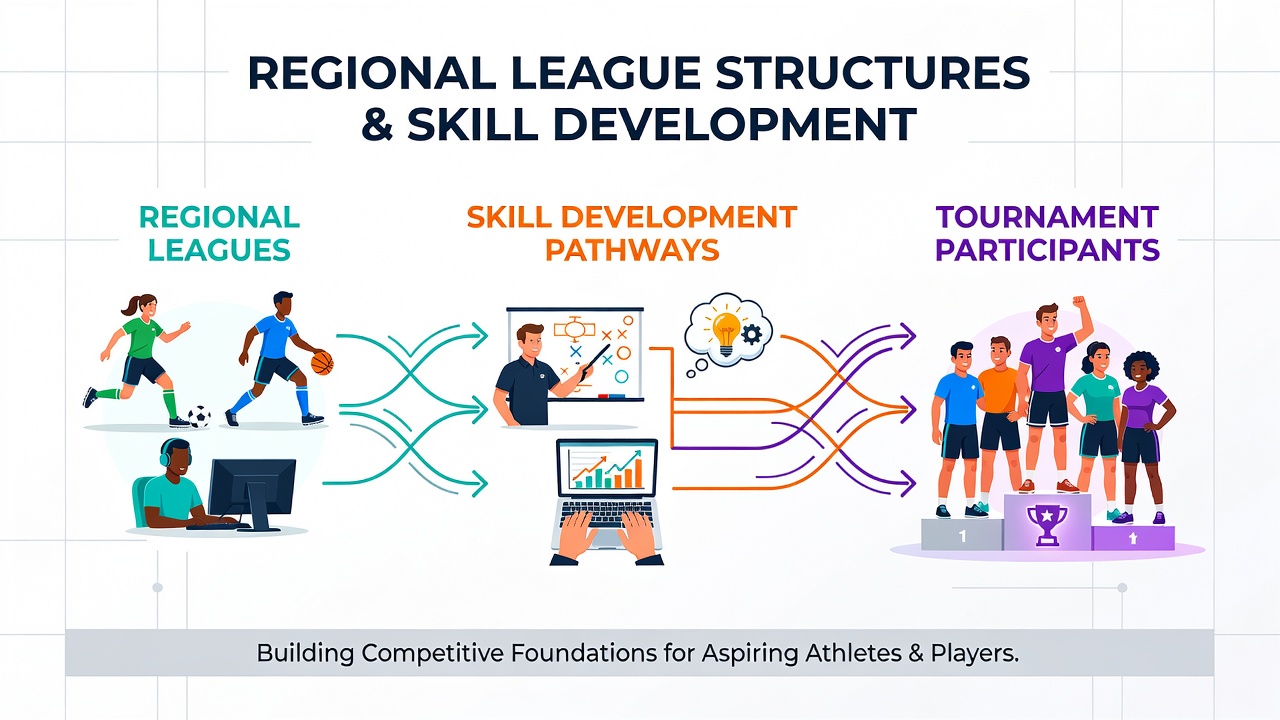
Regional league structures organize competitive card play across defined geographic areas, creating pathways that build foundational abilities for larger tournament fields. These systems operate through scheduled events, point accumulation, and tiered advancement that reward consistent performance rather than isolated results. Data from multiple jurisdictions shows participants who progress through such leagues demonstrate measurable gains in decision speed and risk assessment during extended sessions.
Core Components of Regional League Formats
Leagues typically divide seasons into regular weekly or monthly stops, each featuring standardized buy-ins and payout structures that mirror main circuit events. Players accumulate points based on finish position, field size, and sometimes additional metrics such as aggression frequency tracked through hand histories. Advancement to regional finals or national qualifiers occurs when cumulative totals reach established thresholds, which forces participants to maintain steady engagement across multiple venues rather than chasing single high-variance outcomes.
Observers note that this format introduces controlled exposure to varying table dynamics, including short-handed play when fields shrink and multi-table pressure when qualifiers overlap. Research from gaming oversight bodies indicates that repeated exposure under these conditions correlates with improved bankroll discipline, as players must allocate resources across an entire season instead of treating each event independently.
Skill Areas Strengthened Through League Participation
Technical proficiency develops through repeated application of core concepts under varying stack depths and opponent profiles. League rules often require registration of hand histories for scoring or review, giving participants access to aggregated data that highlights patterns in their own play. Those who review these records regularly show faster adaptation to rule variations when they move between live and online formats.
Social and psychological elements receive equal emphasis. Regular league opponents create familiar rivalries that test emotional control, while the need to travel between regional stops builds logistical planning skills essential for circuit travel. Figures from industry tracking services reveal that players completing at least two full league seasons enter major events with lower early-exit rates compared to direct entrants without prior structured experience.
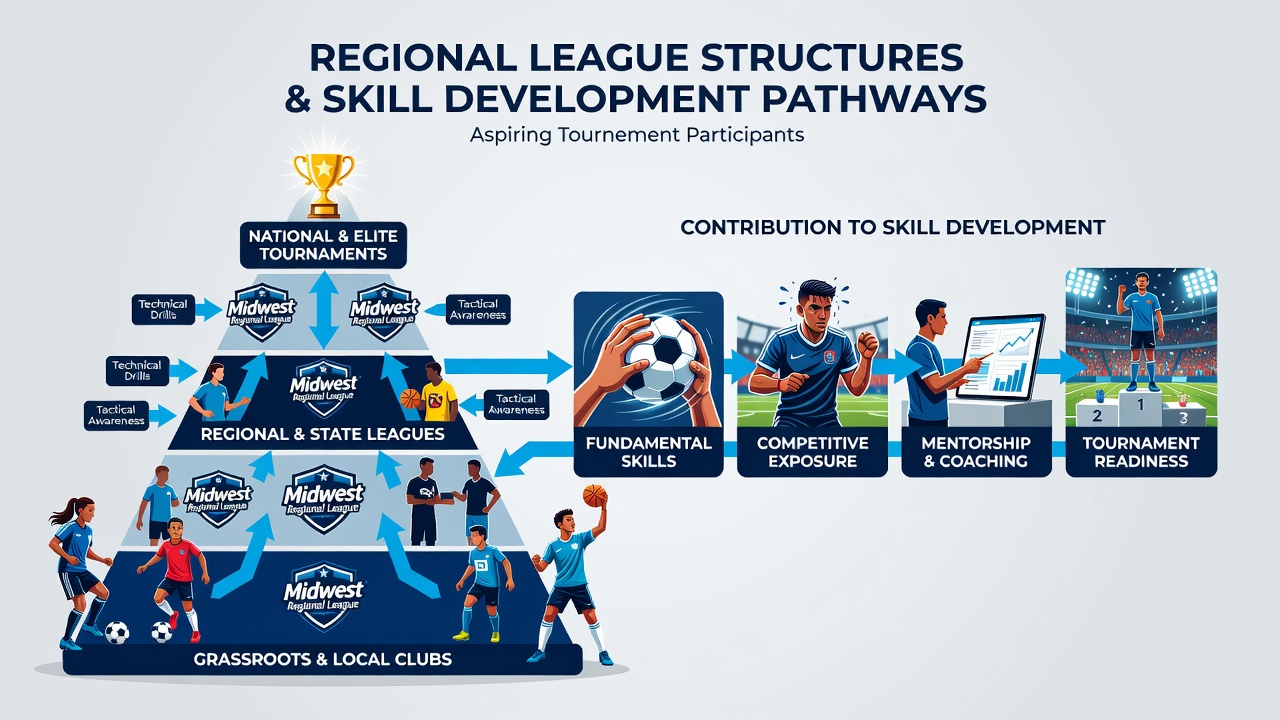
Geographic Variations and Their Developmental Impact
European regional systems frequently integrate with national federations that coordinate with broader circuit calendars, allowing top performers to transition smoothly into international stops. In contrast, North American models often emphasize casino partnerships that provide venue consistency and standardized dealer training, which reduces rule interpretation disputes during critical hands. Australian frameworks add elements such as mandatory player education modules on responsible play before qualification, embedding long-term sustainability habits alongside competitive growth.
July 2026 schedules show several regional leagues aligning their finals with feeder events leading into major summer series, creating concentrated periods of high-stakes practice. This timing allows emerging participants to test refined skills against stronger fields while still operating within familiar structures before entering fully open tournaments.
Transition Mechanisms to Larger Circuits
Many leagues maintain direct pipelines through satellite qualifiers or point-based exemptions that grant entry into higher-tier events without additional buy-ins. These mechanisms reduce financial barriers while maintaining competitive integrity, as only players who have demonstrated sustained performance advance. Tracking data from multiple seasons indicates that league graduates who reach final tables in major events tend to exhibit stronger late-stage aggression metrics than non-league counterparts.
Coaching networks and study groups often form organically around league schedules, providing peer feedback loops that accelerate tactical refinement. Participants report that discussing hand histories with players who share similar regional experiences yields more applicable insights than generic strategy content aimed at broader audiences.
Conclusion
Regional league structures supply measurable developmental benefits by combining repetitive practice, structured progression, and controlled exposure to competitive variables. Participants who navigate these systems accumulate both technical proficiency and practical experience that directly supports performance when they advance to larger tournament stages. Continued alignment between league calendars and major circuit dates, including those planned for July 2026, sustains these pathways as viable routes for skill consolidation across different geographic markets.