Seasonal Tourism Waves Reshaping Scheduling and Participation Patterns at Independent Card Venues in Mountain Regions
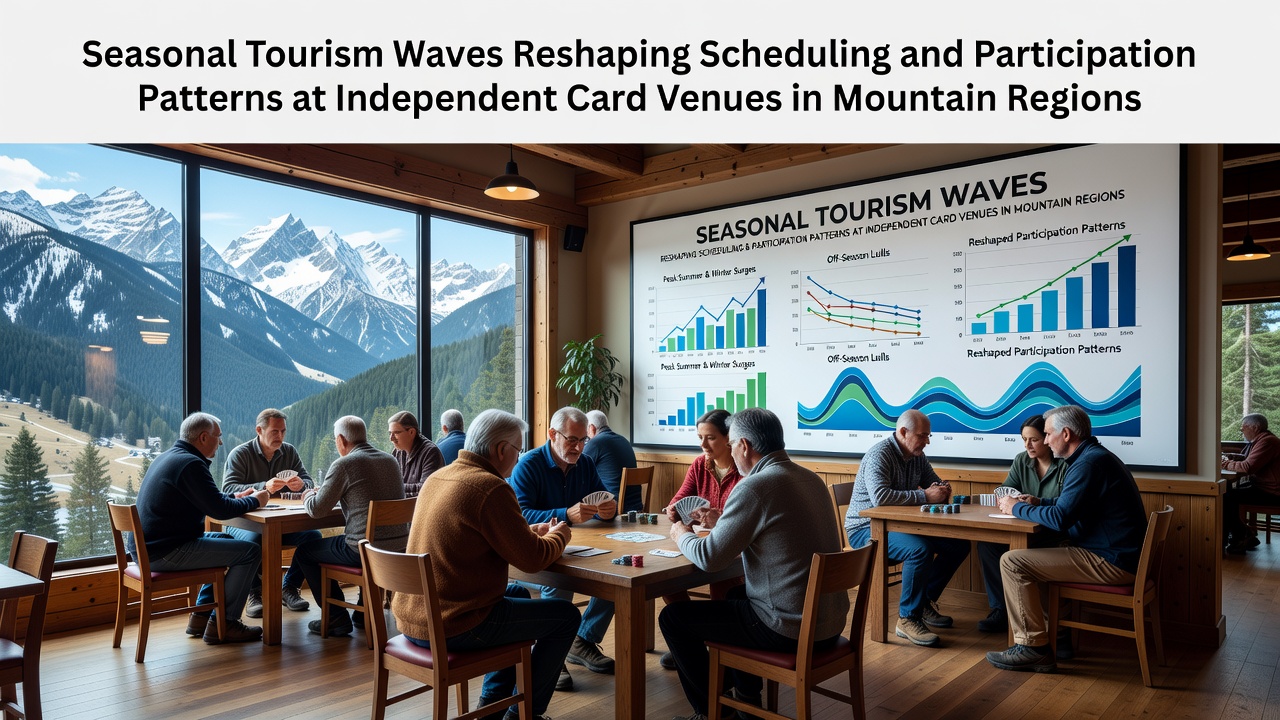
Independent card venues in mountain regions operate under distinct seasonal pressures that alter event calendars and player demographics each year. Winter tourism surges tied to skiing and snowboarding bring large numbers of visitors who seek evening entertainment after daytime slopes close, while summer months draw hikers and sightseers whose schedules favor afternoon sessions. These cycles prompt venue operators to adjust opening hours, tournament structures, and table limits to accommodate fluctuating demand across locations in the Rockies, the Alps, and similar high-elevation areas.
Winter Tourism Effects on Venue Operations
Peak winter months see visitor counts rise sharply in resort towns, and independent card venues respond by extending hours into late evenings while introducing shorter, high-turnover formats that appeal to transient guests. Data from regional tourism reports indicate that mountain communities experience visitor increases of 40 to 60 percent between December and March, which directly influences table occupancy rates at local establishments. Operators often shift weekly schedules to include mid-week events that capture overflow from weekend crowds, and they coordinate with hotels to offer package deals that bundle lodging with card play credits. This coordination creates predictable patterns where participation from out-of-town players climbs steadily until spring thaw reduces arrivals.
Summer Patterns and Participation Shifts
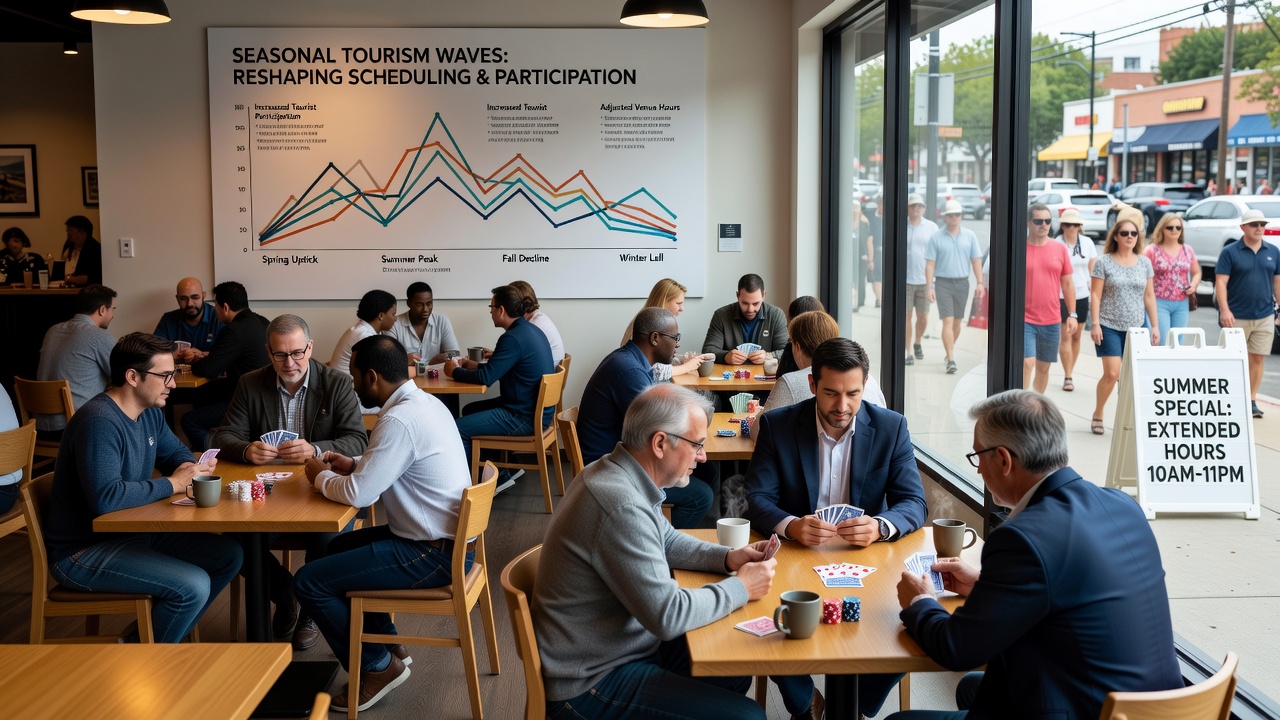
Warmer months bring different groups whose preferences lean toward daytime gatherings that fit hiking and sightseeing itineraries. Venues in these regions report higher walk-in traffic during July 2026 projections based on prior-year bookings, prompting managers to add matinee-style sessions and casual drop-in tables. Participation data collected by local business associations show that local residents reduce their frequency during these periods, yet overall headcounts remain elevated because tourist volume compensates for the change. Scheduling adjustments include earlier start times for multi-day series and flexible buy-in structures that accommodate shorter stays, while staff training focuses on managing mixed-experience crowds that arrive together at tables.
Regional Examples and Scheduling Adaptations
Venues near Banff, Colorado ski corridors, and Swiss alpine passes document parallel adaptations. In one documented case, operators moved regular league nights from Friday to Tuesday to avoid competition with peak tourist dining hours, resulting in steadier local retention alongside continued visitor growth. Another location introduced hybrid formats that combine short tournaments with open play, allowing tourists to join for single rounds without long commitments. According to figures released by Parks Canada, summer visitation to mountain parks rose 25 percent over a five-year span ending in 2025, and similar trends appear in U.S. Forest Service visitor logs for comparable zones. These increases translate into venue calendars that now feature rolling daily start times rather than fixed weekly blocks.
Data on Player Mix and Retention
Industry tracking from mountain business networks reveals that tourist participation spikes correlate with temporary rises in first-time players, while repeat local engagement holds steady when venues maintain dedicated community nights outside peak hours. Retention metrics collected across multiple seasons show that venues offering both tourist-friendly quick games and separate local-focused events sustain year-round attendance better than those that do not segment their offerings. Observers note that payment preferences also shift seasonally, with visitors favoring digital options more often than cash during high-traffic periods, which influences how venues allocate table space and staffing resources.
Conclusion
Seasonal tourism continues to drive measurable changes in how independent card venues in mountain regions organize their calendars and manage player flow. Winter influxes emphasize extended evening programming while summer waves favor daytime accessibility, and operators respond with targeted schedule revisions that balance both groups. Participation patterns reflect these adjustments through higher overall numbers offset by rotating demographics, and the resulting operational frameworks support consistent venue viability across annual cycles.