Shifting Landscapes: Cryptocurrency Integration in Digital Card Game Ecosystems
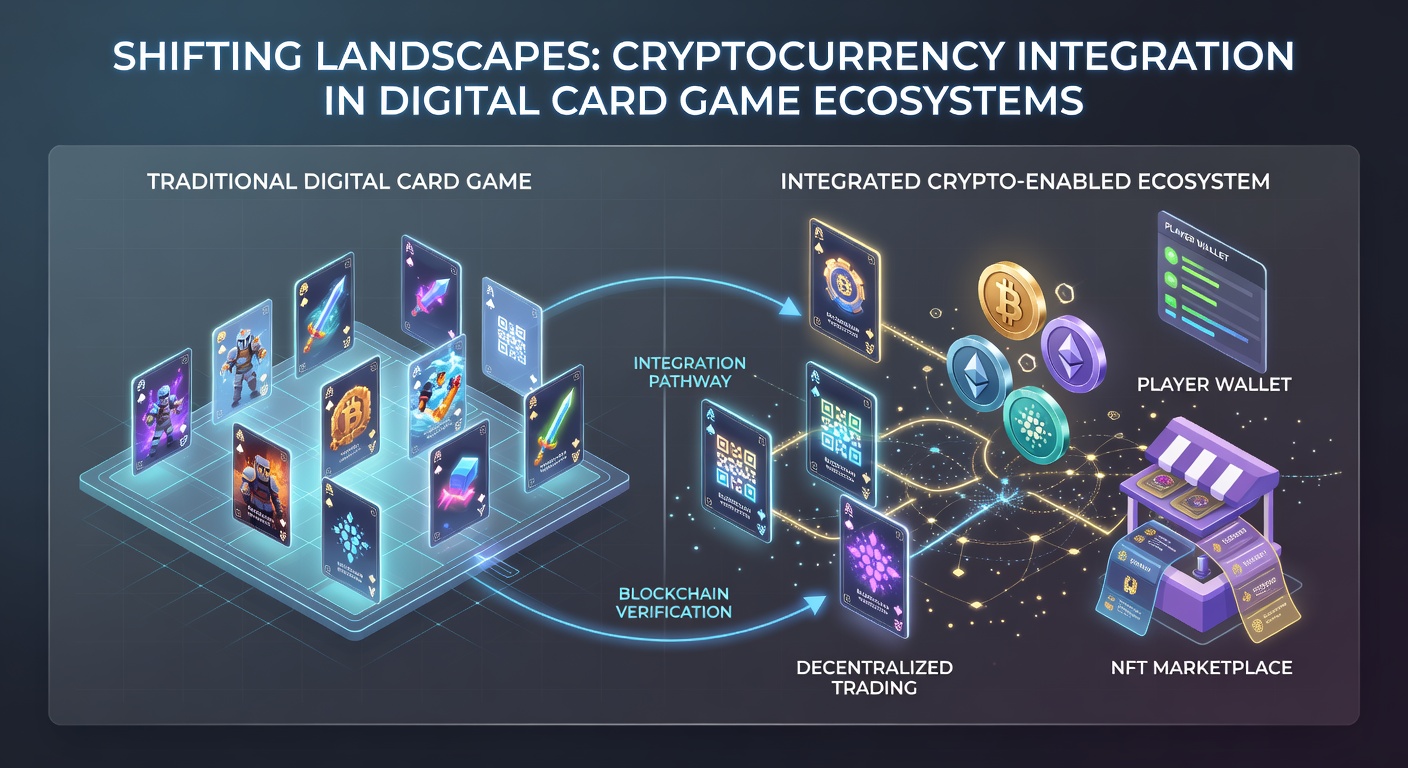
Digital card game platforms continue to evolve as developers embed cryptocurrency features into core mechanics, allowing players to trade virtual cards and assets through decentralized networks rather than traditional in-app purchase systems. This shift stems from broader adoption of blockchain protocols that verify ownership and enable cross-platform transfers without relying on centralized servers. Researchers tracking these developments point to increased transaction volumes on networks supporting non-fungible tokens, where each digital card carries verifiable scarcity and history.
Blockchain Foundations in Card Ecosystems
Developers have integrated smart contracts to automate royalty payments when cards change hands on secondary markets, creating ongoing revenue streams for original creators while giving collectors full control over their holdings. Data from industry reports shows that platforms built on Ethereum and newer layer-two solutions experienced measurable growth in active wallets during 2025, with similar patterns projected into the following year. Observers note that these technical upgrades reduce friction for users who previously faced restrictions when moving assets between games or regions.
In May 2026 several ecosystems rolled out updated protocols that lowered gas fees for micro-transactions, making frequent card pack openings and trades more practical for everyday participants. Those who've studied the rollout report that transaction success rates climbed noticeably after these optimizations took effect, encouraging wider experimentation among both casual and dedicated players.
Payment Systems and Market Liquidity
Cryptocurrency wallets now serve as primary funding methods on multiple digital card platforms, bypassing credit card processors adn their associated fees in many jurisdictions. Figures released by the Bank for International Settlements analysis highlight how stablecoin usage in gaming environments grew steadily through 2025, driven by players seeking predictable values amid broader market fluctuations. This approach connects regional economies more directly, allowing participants from areas with limited banking access to join global marketplaces.
Market liquidity improves when assets can be exchanged instantly across borders, and developers have responded by embedding decentralized exchanges within their interfaces. What's interesting here is the way these integrations create feedback loops: higher trading activity attracts more content creators, which in turn draws additional users who value transparent pricing and rapid settlement.
Regulatory Developments Across Regions
Government agencies in Australia and Canada have issued guidance documents clarifying how existing digital asset rules apply to in-game economies, prompting platforms to add compliance tools such as identity verification layers. These measures help separate regulated activities from purely entertainment-focused features while preserving player anonymity where permitted. According to data compiled by the Australian Securities and Investments Commission, clearer frameworks have coincided with modest increases in institutional interest in blockchain gaming projects.
European regulators continue to monitor cross-border token flows, and several platforms have adapted by offering region-specific wallet options that align with local tax reporting requirements. Those who've examined compliance reports find that proactive adjustments reduce the risk of service disruptions during audits or policy shifts.
Player Behavior and Economic Models
Studies from academic institutions reveal that players who hold crypto-native cards often exhibit longer engagement periods because they perceive genuine ownership rather than temporary licenses. Play-to-earn elements have matured beyond simple reward distribution, incorporating staking mechanisms that let participants earn yields on locked collections during off-peak periods. One study revealed that balanced reward structures tend to sustain communities longer than those relying solely on speculative trading.
Communities have formed around governance tokens that let holders vote on future card releases and rule changes, shifting some decision-making power away from central studios. This model appears in multiple titles where proposals receive on-chain voting, and turnout metrics indicate sustained interest when rewards align with actual gameplay impact.
Technical Challenges and Infrastructure Growth
Scalability remains a focus as networks handle peak loads during new set launches or tournament seasons. Solutions such as sidechains and zero-knowledge proofs have been deployed to maintain speed without sacrificing security, and developers share benchmarks publicly to attract further infrastructure investment. The reality is that these improvements make daily interactions feel closer to traditional gaming experiences while retaining the benefits of decentralization.
Security practices have advanced in parallel, with multi-signature wallets and regular smart contract audits becoming standard among leading platforms. Reports of exploits have declined in frequency as these protocols mature, though vigilance continues because new attack vectors emerge alongside technological progress.
Conclusion
Cryptocurrency integration continues reshaping how digital card games function, from asset ownership and trading mechanics to payment rails and community governance. Developments through mid-2026 demonstrate that platforms capable of combining regulatory compliance with user-friendly blockchain tools maintain stronger positions in a competitive market. Ongoing infrastructure upgrades and clearer policy signals from multiple regions support further expansion, while player adoption patterns provide measurable indicators of long-term viability.