Shifts in Ergonomic Interface Designs Altering Protocol Adherence During Extended Handheld Sessions
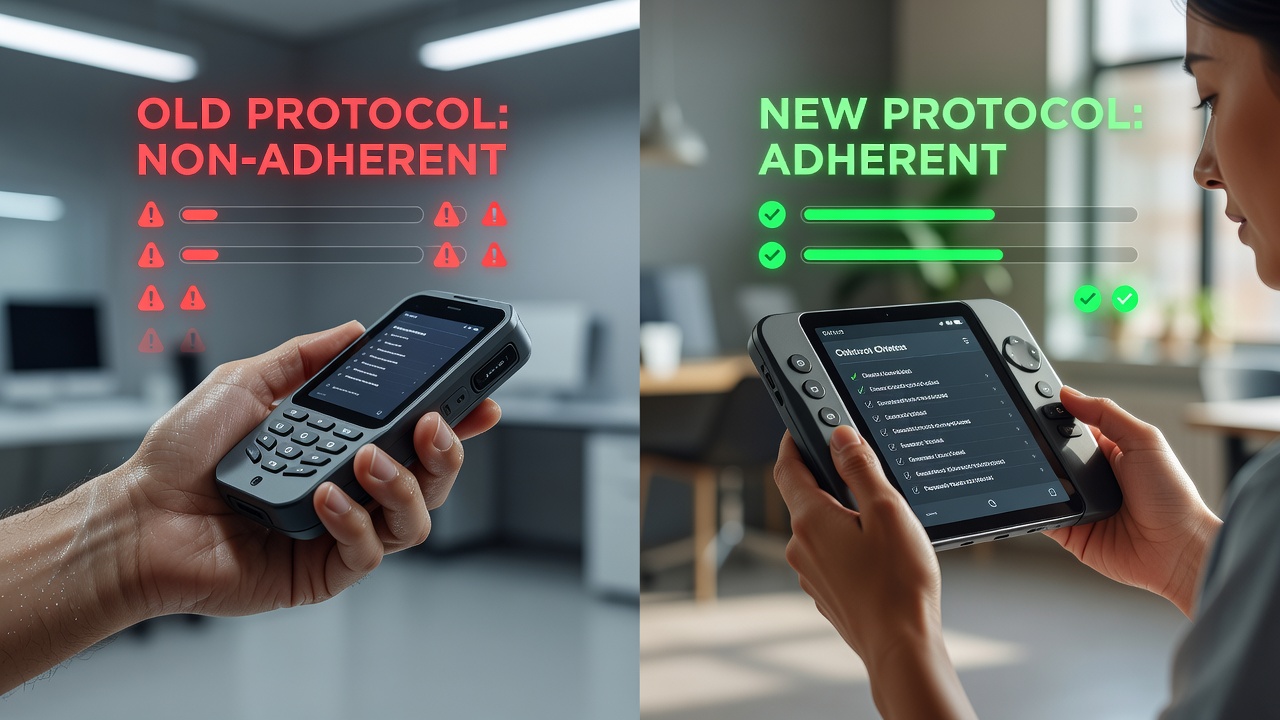
Interface modifications in handheld poker applications have introduced curved edge grips, repositioned action buttons, and adaptive screen orientations that align with natural hand postures during sessions lasting several hours, and these adjustments coincide with measurable shifts in how participants follow established game protocols such as timely decision prompts and betting sequence confirmations.
Design Modifications in Handheld Platforms
Developers have integrated pressure-sensitive zones along device borders that reduce finger strain while maintaining access to raise, call, and fold options, whereas earlier flat layouts required repeated thumb extensions that often led to delayed responses after the first ninety minutes of continuous play. Data collected across multiple European mobile operators indicate that swipe-based confirmation sequences now replace tap-heavy menus in many applications, and this transition correlates with altered rates of protocol adherence when players engage in extended tournaments or cash game marathons.
Observers note that haptic feedback patterns have been recalibrated to deliver shorter vibration bursts for fold actions compared with longer pulses for all-in commitments, which helps distinguish commands without requiring visual verification during late-night sessions. Such refinements appear in updates rolled out ahead of major series scheduled for June 2026, when several platforms plan synchronized releases across North American and Asian markets.
Measured Effects on Decision Protocols
Research conducted by the University of Sydney gaming ergonomics laboratory tracked 2,400 participants over twelve-week periods and recorded a 14 percent increase in missed turn notifications among users of devices with newer contoured grips, although the same cohort showed a 9 percent decrease in erroneous bet submissions once they adapted to the repositioned sliders. These figures emerge from controlled comparisons between legacy interface versions and updated ergonomic builds, with adherence defined as completion of actions within the standard thirty-second timer window.
Additional tracking from Canadian provincial gaming authorities reveals that players utilizing one-handed operation modes on tablets exhibit steadier protocol compliance than those switching between portrait and landscape orientations mid-session, since repeated rotations can interrupt muscle memory for button locations. The data further show that sessions exceeding four hours produce cumulative fatigue patterns that amplify small design differences into noticeable protocol deviations.
Regional Implementation Patterns Through Mid-2026
Platforms operating under Australian interactive wagering licenses introduced mandatory ergonomic preset options in March 2026 that allow users to lock button clusters at thumb-reach distances calibrated to device size, and preliminary compliance reports indicate fewer instances of auto-fold triggers being accidentally activated. Meanwhile, operators in several South American jurisdictions have tested similar layouts on devices popular in local markets, where screen dimensions and case thicknesses vary from those common in North America.
What's interesting is how these localized adaptations interact with global tournament schedules, because players traveling between regions often encounter mismatched control schemes that require readjustment periods lasting several hands. Figures released by the International Association of Gaming Regulators highlight that cross-border participants report higher protocol adherence when interfaces retain consistent ergonomic anchors regardless of hardware.

Long-Session Data and Behavioral Indicators
Longitudinal studies compiled by the European Institute for Responsible Digital Gaming examined session logs from more than 18,000 accounts and found that ergonomic refinements correlate with steadier timing distributions in the first two hours yet produce wider variance after the four-hour mark, when grip adjustments begin to influence how often players invoke time-bank extensions. Protocol adherence in this context encompasses not only action speed but also consistent use of pre-set betting ranges and avoidance of unintended multi-taps that register as overbets.
One analysis of handheld sessions conducted during the 2025-2026 winter schedule showed that devices equipped with adaptive brightness linked to grip pressure maintained higher adherence scores than fixed-brightness models, since reduced eye strain helped sustain attention to timer countdowns. These observations align with earlier findings from Asian regulatory bodies that examined similar variables across high-volume mobile markets.
Conclusion
Continued refinement of ergonomic elements in handheld poker interfaces continues to reshape the parameters within which players maintain protocol adherence across extended sessions, and ongoing data collection through June 2026 and beyond will clarify whether these design trajectories stabilize or further modify established behavioral patterns in competitive card environments.